Home Blog Page 3

Derma rolling Procedure, Recovery, Post Guidelines, and Benefits

Derma roller Procedure, Recovery, Post Guidelines, and Benefits

Derma rolling Procedure, Recovery, Post Guidelines, and Benefits

Derma rolling Procedure, Recovery, Post Guidelines, and Benefits

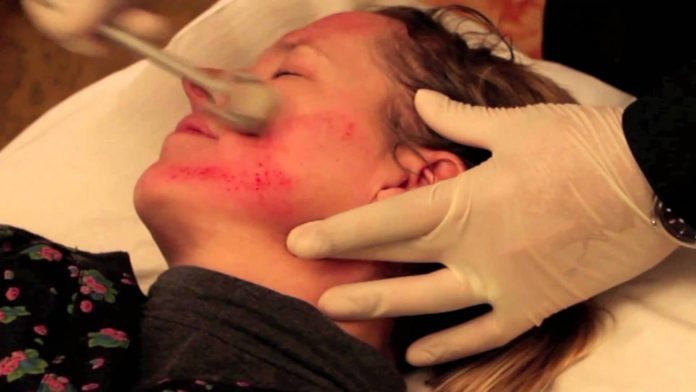
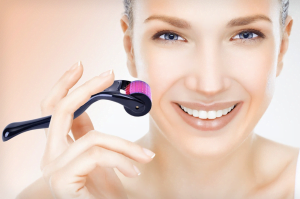
Derma rolling is a treatment that done by a handheld device that has a roller with hundreds of tiny microneedles attached to it and is used for skin needling treatment.

The process of using derma roller is to clean and enhance your skin health to make your skin more beautiful is called derma rolling.

Derma rolling is a skin treatment to make the skin healthier and derma roller is the device that is used to carry out the process.

The derma roller is rolled over the skin in order to create tiny skin punctures which help in skin repairing.

The whole procedure leads to the creations of new collagen that is part of the connective tissue that is responsible for the strength, firmness, suppleness, and elasticity in the skin.

How is the treatment done?

Dermarolling is a self-treatment done by using derma roller. The microneedles can range between 0.5mm to 3mm in length which is rolled over on the skin surface for 10 to 15 minutes once in a week.

The process is slow and can take up to 4 to 6 weeks to show the best results. The main purpose of derma roller is to create collagen that is a bodily protein made up of amino acids.

The short-term wounding of the skin is done to trigger skin repair leading to the creation of new collagen.
Derma rolling Procedure, Recovery, Post Guidelines, and Benefits

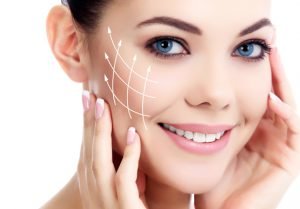
The new skin formed by the newly created collagen helps in:

  • Removing scars.
  • Facial lines.
  • Wrinkles.
  • Sun damage.
  • Sunburn.
  • Acne.
  • Anti-aging.
Who is eligible for the treatment:

If you are having any skin problems such as scars, acne, dark spots, stretch marks, fine lines, and wrinkles than you are eligible to treat the condition using a derma roller.

However, you should consult a skin specialist in Delhi before opting for derma rolling treatment.

Who is not eligible for the treatment:

Different people have different skin type and tone, and sensitivity. If you have a very sensitive skin type that is very reactive to new products and therapy then you should avoid derma rolling.

Are there any side effects:

Derma roller is a very safe and easy process for skin treatment but there are chances of some minor side effects if not used properly.

Some of the most common side effects you will notice is the redness of the skin that will last for a few hours, mild inflammation and dryness and some sun sensitivity for the first couple of days.

What are the post-treatment guidelines:

After using the derma roller process, there are a lot of things that you need to take care of in order to avoid any major side effects.

Aloe vera gel is applied to calm and soothe the skin. You should not touch your face with dirty hands, wash your hands before touching it.

New and aggressive skin care products should be completely avoided, avoid intensive sunlight and you should also avoid sauna, hot showers until the redness has gone.

Fake tan should also be applied after 7 days of using derma roller.

How long does it take to recover:

Generally, the treatment takes at least 4 to 6 weeks to show better results. As for the side effects, some of them hardly last for a couple of hours and some may last for a couple of days.

Are the results of the treatment permanent?

The results of using derma roller are never permanent as the skin is prone to changes quickly, it is just used to make skin healthy, so you have to take care of your skin.

In some cases such as removing stretch marks, but the results are almost permanent in some cases.
Derma rolling Procedure, Recovery, Post Guidelines, and Benefits

Some important Tips:

If you are using the derma roller on your face, splitting it into multiple sessions that may make your job much easier. But make sure that you skip the areas around your eye sockets.

Rolling the device diagonally will create more stress on the center of your face due to uneven pattern distribution. Better to avoid it, or be extra careful.

Do not put too much pressure while rolling the device on your skin as it will be very painful for your and the injuries will take more time to heal after the procedure.

Make sure that you lift the derma roller up after each roll in order to prevent the appearance of track marks.

You can decrease the number of rolling in one direction based on the sensitivity and pain tolerance level of your skin.

After derma rolling your skin, you must not treat it with chemical exfoliating agents or other hard skincare products containing benzoyl peroxide, salicylic acid, tretinoin etc.

Never treat your skin more than twice a week and give it enough time to heal before undergoing another session.

Anti Aging in Delhi:

Adorable Clinic is one of the best Anti Aging Treatment in Delhi NCR that offer affordable Skin Treatments to make your skin dramatically improve the overall tone and texture of your skin.

Cupping Treatment in Delhi:

Cupping Treatment In Delhi is another type of treatment but we are providing the best treatment of cupping in the adorable clinic.

This is a system for bracing Acupuncture centers by applying suction through a metal, wood or glass knock.


What Is Dermatitis? Symptoms, Treatment, and Prevention

What Is Dermatitis? Symptoms, Treatment, and Prevention

What Is Dermatitis? Symptoms, Treatment, and Prevention

What Is Dermatitis? Symptoms, Treatment, and Prevention

What is dermatitis?

Dermatitis is known as skin inflammation. The skin will typically appear dry, swollen, and red. The condition can have many causes, but it’s not contagious.

It can be uncomfortable for some people. How itchy your skin may feel can range from mild to severe.

Certain types of dermatitis can last a long time, while others may flare up, depending on the season, exposures, or stress, and many other reasons.

Some types are more common in children, and others are more common in adults. You may find relief from the disease with the laser treatment.

What Is Dermatitis? Symptoms, Treatment, and Prevention

Symptoms:

The symptoms of dermatitis range from mild to severe and will look different depending on what part of the body is affected with the disease. Not all people experience all the symptoms.

In general, the symptoms of dermatitis may include:

  • Rashes
  • Blisters
  • Dry, cracked skin
  • Itchy skin
  • Painful skin, with stinging or burning
  • Redness
  • Swelling
Types of dermatitis:

Here are the most common types:

Atopic dermatitis or eczema:

is usually inherited and develops during infancy. Someone with eczema likely has rough patches of dry, itchy skin.

Contact dermatitis:

Occurs when a substance touches your skin and causes an allergic reaction or irritation. These reactions can develop further into rashes that burn, sting, itch, or blister.

Dyshidrotic dermatitis:

Skin can’t protect itself, resulting in itchy, dry skin, often with small blisters. This occurs mainly on the feet and hands.

Seborrheic dermatitis:

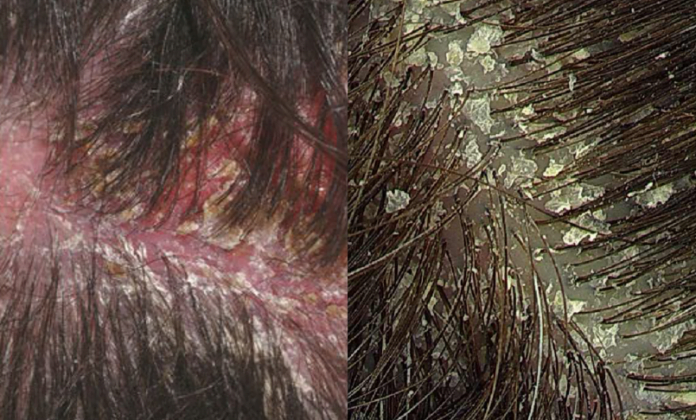
It is also known as cradle cap in babies, is most common on the scalp. It can cause scaly patches, red skin, and dandruff, and it can also occur in other areas of the skin, such as the face or chest.

Causes:

The causes depending on the type of dermatitis:

When you come in direct contact with an irritant or allergen. Common things that cause allergic reactions include detergents, cosmetics, nickel, poison ivy, and oak.

Also caused by a combination of factors like dry skin, environmental setting, and bacteria on the skin.

It is often genetic, as people with eczema often have a family history of eczema, allergies, or asthma.

Fungus in the oil glands. It tends to get worse in the spring and winter.

Poor circulation in the body, most commonly the lower legs and feet.

Stress.

Hormonal changes.

The environment.

Irritating substances.

Risk Factor:

Factors that increase your chances of getting the disease include:

  • Age
  • The environment
  • A family history of dermatitis
  • Health conditions
  • Allergies
  • Asthma

Some factors increase your risk for dermatitis more than others. For example, frequent washing and drying of hands will strip your skin’s protective oils and change its pH balance.

What Is Dermatitis? Symptoms, Treatment, and Prevention

Treatment:

Laser therapy for dermatitis that delivers a concentrated beam of ultraviolet light may help ease a hard-to-treat a small study suggests.

Specifically, a device called the 308-nm excimer laser is approved in the world for treating atopic dermatitis and certain other skin conditions, including psoriasis and vitiligo.

It works by emitting a concentrated beam of ultraviolet B (UVB) light directly to patches of affected skin, avoiding the healthy surrounding skin.

UVB light has long been used to treat some cases; it is thought to help by quelling the exaggerated immune response causing the skin inflammation.

The purported advantage of the excimer laser over traditional UVB therapy is that it more precisely targets the problem areas of the skin.

Some Facts:

While dermatitis isn’t considered a serious medical condition, excessive scratching can lead to open sores and infections. These can spread, but they rarely become a life-threatening disease.

You can prevent or control potential flare-ups with the treatment. You may find the most relief in sticking to the treatments your doctor has prescribed.

Prevention:

Awareness is the first step in avoiding the disease. You’ll want to avoid contact with allergens or substances that cause rashes, such as poison ivy.

You’ll want to avoid scratching the affected area. Scratching can open or reopen wounds and spread the bacteria to another part of your body.

Tanning Treatment/Removal in Delhi:

Laser tanning removal in Delhi involves exposing the damaged skin to laser light and the procedure eliminates the need for medication and almost always has immediate results.

Anti Aging Treatment in Delhi:

We are experts in helping you rejuvenate and enhance your skin and to maintain a youthful and healthy appearance with our range of non-invasive treatments.

Laser Psoriasis Treatment In Delhi, Advantages, and Risks

Laser Psoriasis Treatment In Delhi, Advantages, and Risks

Laser Psoriasis Treatment In Delhi, Advantages, and Risks

Laser Psoriasis Treatment In Delhi, Advantages, and Risks

Laser psoriasis treatment in Delhi is the best clinic, If you are living with psoriasis, you know how uncomfortable and embarrassing the red, itchy, scaly skin can be.

Treatment options for psoriasis include steroid cream or other medicated creams, oral medications, and light or laser therapy.

All of these treatments work well, but medications can have side effects and laser therapy requires a regimen of three sessions a week for two to three months followed by maintenance therapy.

Psoriasis Laser Treatment:

Today, there is another option for treating psoriasis, which is the best is excimer lasers, which deliver ultraviolet light to localized areas of the skin.

This treatment uses intense, focused doses of laser light to help control areas of mild to moderate psoriasis without harming healthy skin around them.

Targeted laser therapy is similar in effectiveness to traditional laser therapy, but it works in fewer sessions with stronger doses of light that can reach deeper into the affected skin.

The handheld laser wands are also good for reaching psoriasis in hard-to-treat areas, such as the elbows, knees, palms of the hands, soles of the feet, and the scalp.

Laser Psoriasis Treatment In Delhi, Advantages, and Risks

How It Works:

How do laser treatments for psoriasis work? Can they really clear up your skin? Here is what the research shows about this new treatment for psoriasis in Delhi.

Excimer laser treatments for psoriasis are performed in the dermatologist’s office. Each session takes only a few minutes, that is why it is a quick process.

During the treatment, the doctor aims the laser directly at patches of psoriasis. You might feel some warmth at the site or a snapping sensation against the skin.

Excimer lasers aim a high-intensity ultraviolet B (UVB) light dose of a very specific wavelength 308 nanometers directly at the psoriasis plaques.

Because the laser light never touches the surrounding skin, it reduces the risk of UV radiation exposure.

Excimer lasers are used to treat mild-to-moderate psoriasis with excimer laser therapy, patients usually have 2 sessions a week for 4 to 10 sessions to get the best results.

Your doctor will determine your dose of laser light based on the thickness of your psoriasis plaques and your skin color, A lower dose is used on the lighter skin.

During this procedure, you will be given dark goggles to protect your eyes.

How Well Do Psoriasis Laser Treatments Work:

Laser treatments in Delhi work well for people with mild-to-moderate psoriasis. But because the light is concentrated, it’s not effective for people with psoriasis on large areas of the body.

Because laser treatment is still a relatively new therapy for psoriasis, research is still underway to confirm its effectiveness.

Some studies find that most people who are treated with lasers see real improvements in their skin that can last anywhere from several months to a year.

Results are usually seen within 8 to 10 sessions.

What You Should Know Before Starting Laser psoriasis treatment:

Laser psoriasis treatment for the disease can produce dramatic results in some people but this therapy is not for everyone.

To make sure you are a good candidate, have a complete health history and exam done before starting the treatment.

Laser Psoriasis Treatment In Delhi, Advantages, and Risks

Avoid laser psoriasis treatments if you have:

  • Lupus or scleroderma.
  • Sun sensitivity.
  • Xeroderma pigmentosum (an inherited disease that causes sensitivity to sunlight).
  • Risks for, or a history of, skin cancer.
  • A condition that requires you to take medications that make you sensitive to the sun.
Are There Any Risks to Laser Psoriasis Treatments:

Laser psoriasis therapy is generally safe, but some people have reported side effects after treatment, that includes:

  • Temporary redness, itching, burning, and stinging
  • Blistering.
  • Purple-colored spots (purpura) on the skin.
  • Darkening or lightening of the skin (hyperpigmentation or hypopigmentation)
  • Scarring
Other laser treatments:

Another type of laser psoriasis treatment, the pulsed dye laser (PDL), is also available to treat psoriasis lesions. The PDL and XTRAC lasers have different effects on psoriasis lesions.

The pulsed dye laser targets the tiny blood vessels in the psoriasis lesion, whereas the XTRAC laser targets T cells.

One review of studies says that response rates for PDL are between 57 and 82 percent when used on lesions. Remission rates were found to last as long as 15 months.

For some people, PDL may be effective with fewer treatments and with fewer side effects, that is not life-threatening.

Hair Loss Treatment in Delhi:

These Hair Loss Treatments in Delhi can be used together as part of a comprehensive hair regrowth strategy. This is a therapy that involves exposing the scalp to infrared or near-infrared light to encourage hair growth.

Melasma Treatment-Chemical Peeling:

Getting Rid Of melasma is very important as due to melasma face looks uneven tone, if we talk about Melasma Treatment in Delhi then usually laser treatment and Chemical Peeling are effective methods.


Pregnancy Stretch Marks Removal, Causes, Symptoms,Treatment

Pregnancy Stretch Marks Removal, Causes, Symptoms, and Treatment

Pregnancy Stretch Marks Removal, Causes, Symptoms, Treatment

Pregnancy Stretch Marks Removal, Causes, Symptoms, Treatment

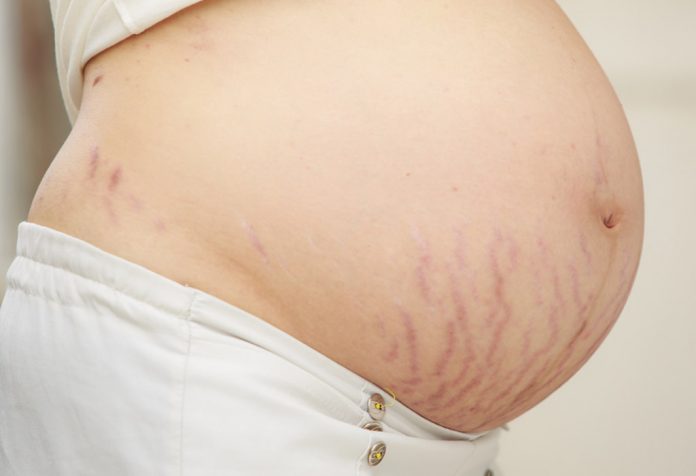
Pregnancy stretch marks are long, narrow streaks, stripes, or lines that develop on the skin. They occur when the skin is suddenly stretched and are extremely common.

Pregnancy stretch marks type of scarring happens when the skin cannot resume normal form after a period of intense growth, often due to pregnancy, weight gain, weight loss, or puberty. Over 50 percent of women experience stretch marks during and after pregnancy.

Facts on stretch marks:

  • These marks are long and narrow streaks or stripes that occur when the skin is stretched too quickly.
  • Pregnancy, puberty, and rapid weight gain can all cause stretch marks.
  • There is little medical evidence available confirming the effectiveness of current treatments for stretch marks.
  • These marks are often fade over time without treatment and do not pose any serious long-term health risks.

Affected Areas:

Stretch marks are scars. They are also called striae, striae distensae (SD), striae atrophicans, and striae gravidarum.

The most common areas affected include:

  • Abdomen
  • Breasts
  • Hips
  • Flank
  • Buttocks
  • Thighs

They are not physically dangerous but can cause problems with self-image and anxiety, or it does not look good. For some people, they are a significant cosmetic concern that can affect day-to-day living.

Pregnancy Stretch Marks Removal, Causes, Symptoms, and Treatment

Signs and symptoms

Before stretch marks begin to emerge, the skin can appear thin and pink. It may also feel irritated, itchy or patchy.

The marks initially develop as wrinkly, raised streaks that can be red, purple, pink, reddish-brown, white-ish or dark brown, depending on skin color.

The streaks eventually fade and flatten and tend to change to a silvery color over time.

Pregnancy stretch marks may gradually become less noticeable, but this can often take years.

Pregnancy stretch marks removal in Delhi

These stripes occur when you happen to gain or lose weight too quickly for your skin to keep up with, and is common for both men and women.

It occurs because the skin is unable to reconcile with the drastic changes in the body like in pregnancy.

The elastic fibers under the skin break because of these changes and therefore result in those ugly stretch marks that prevent you from wearing your favorite outfits.

You may observe the appearance of stretch marks in various parts of the body  like stomach, thighs, hips, butt, breasts, upper arms, and lower back

Causes Of Stretch Marks During & After the Pregnancy:

Being a mother is a tough job not only do you lose your sleep, but your body undergoes a massive change as well.

Stretch marks are one of those unsightly changes in this process. They are caused because of the softening of the skin fibers due to an increase in pregnancy hormones.

Your body tends to grow or stretch at a rapid rate during pregnancy, and the skin fibers are too slow to accommodate to this growth.

That is leading to tearing of the dermis layer of the skin and hence allowing deeper layers of the skin to show through.

Therefore, these marks eventually fade into a silver and white-ish appearance, because of the pale fat beneath the skin.

They are more severe if there are high levels of cortisone circulating in the body.

Cortisol is a hormone known as stress hormone that is produced by the adrenal glands, which are converted into cortisone.

This hormone also responsible for weakening the elastic fibers of the skin, making them prone to stretch marks.

You can see these marks appear on your belly, thighs, and breasts as lines like pink or purple-tinged.

There is also a possibility that these marks don’t show up during pregnancy, but they might appear after a few weeks past your delivery.

Laser Treatments For Pregnancy Marks:

With advancements in science, it is easy to get rid of any problem in today’s age, and that also includes stretch marks as well.

Secret RF treatment is a simple treatment for skin tightening and rejuvenation by making use of minimally invasive microneedles to infuse radiofrequency(RF) energies into various depths of the skin in a controlled manner.

The laser produces RF energies through a focused tip of a microneedle, which helps in reducing the trauma to the surrounding layer of the skin and also minimize the downtime.

The depth of penetration of these needles varies that is based on the type of treatment and the targeted area.

It is a quick process of 45 minutes to an hour process, which is carried out after properly assessing and examining the depth of the stretch marks.

Pregnancy Stretch Marks Removal, Causes, Symptoms, and Treatment

Stretch mark removal in Delhi: 

Stretch marks in your body are not unhealthy but it looks bad, stretch marks removal by laser technique is the easiest and speedy process.

Pigmentation Removal in Delhi:

Skin pigmentation refers to the coloring of the skin caused by either the excessive production or the underproduction of a pigment called melanin.

 Acne Removal in Delhi:

An Acne Treatment that treats acne from the start for what it is, an infected wound. These pimple patches are an overnight fixer to make whiteheads, blackheads, and picked zits to disappear by the time you wake up.

Venesection Therapy In Delhi, Procedure, Risk, Tips, and FAQ’s

Venesection Therapy In Delhi, Procedure, Risk, Tips, and FAQ's

Venesection Therapy In Delhi, Procedure, Risk, Tips, and FAQ’s

Venesection Therapy In Delhi, Procedure, Risk, Tips, and FAQ’s

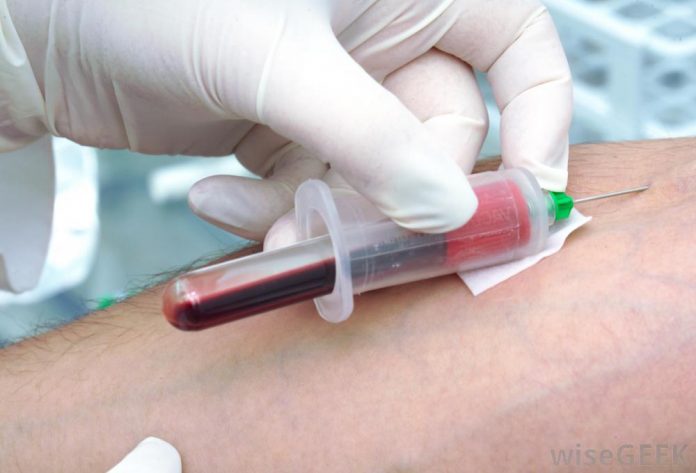
Venesection (phlebotomy): Taking blood, called venesection or phlebotomy in medical language that reduces red blood cell counts in people with polycythaemia vera (PV).  It has very few risks.

If you have polycythaemia vera (PV) you have too many red blood cells in your body. One way to reduce your red cell count that does not require any medication at all is to use a procedure called venesection or phlebotomy.

It is a simple procedure done just like having a blood draw or making a blood donation, where a doctor or nurse inserts a needle into your vein and collects some blood.

Patients with PV usually have about anywhere from 350 ml to 500 ml of blood removed during venesection.

The amount depends on your height and weight as well as your haematocrit, (blood thickness or packed cell volume level) and your general state of health.

Venesection Therapy In Delhi, Procedure, Risk, Tips, and FAQ's

How it works

Phlebotomy or venesection is a standard treatment for PV and helps bring your red cell count closer to normal. Your haematologist will ask you to come to the hospital to have some blood removed.

It works in the short-term since you make up the liquid part of your blood i.e. plasma quicker than red cells and in the long-term iron stores are reduced slowing down the production of red cells.

For this reason, it is very important and be careful not to take iron if you are a patient with PV.

You may need regular venesections sessions every few weeks or months until you reach an acceptable blood thickness level.

Your target blood thickness (haematocrit) depends on your risk factors, how well you tolerate the procedure and whether you’ve had any previous complications such as a blood clot.

Why try this treatment

Phlebotomy has some real advantages for people with PV, such as:

  • It works quickly and also a simple process.
  • It does not require any medications.
  • It has minimal side effects.
  • It is effective at reducing red cell counts and thus risks.

With regular venesections sessions, your hematocrit or packed cell volume can reach a normal level

Allowing your heart to pump blood more efficiently. However, phlebotomy does not reduce white cells or platelet levels.

Together with medication

You may need low dose aspirin therapy or a cytoreductive treatment such as hydroxycarbamide, interferon or anagrelide in addition to regular phlebotomies.

Your hematologist will work with you to find the best combination for your individual condition.

Common side effects:

You may feel tired after giving blood, and you may have some local soreness or bruising, but serious side effects are not common. Some people faint after giving blood.

If you feel dizzy or unwell in the 24 hours afterward tell your Doctor and they may give you some fluid like salt water to replace the volume lost in the blood.

This is more likely to happen if you are taking tablets for blood pressure and if you have not eaten before attending the hospital.

Top tips

These are top tips for phlebotomy shared by people with PV.

Fainting:

You can prevent fainting by eating something before your venesection therapy.  Don’t skip breakfast at all.

Replenish:

Drink plenty of water before and after venesection therapy and be careful of dehydrating drinks.

Take it easy

Plan a restful time after your venesection therapy.  You may feel a bit tired so don’t want to schedule too much.

Let others know:

Tell your family members and others you trust that you are having a venesection so you may need a little extra help, for instance, if you are caring for young children.

Arrange transport:

You may be too tired to drive or travel by public transport right after a venesection session, in particular, if you are feeling fatigued for other reasons, for instance as a side effect of your MPN.

For women:

It is best (although not essential) to schedule venesections therapy for a time of the month when you are not menstruating.

This will prevent you from feeling excessively tired after venesection.

Venesection FAQs

Can I eat and drink normally?

Yes. Doctor recommend that you eat a normal, healthy diet and drink plenty of water.

Can I drink alcohol?

It is safe to drink alcohol in moderation, but Doc to recommend you do not exceed the recommended weekly limits of 21 units of alcohol per week for a man and 14 units for a woman.

Please ask your nurse or doctor if you require more information regarding alcohol consumption.

What if I want to have a child?

Venesection therapy or removal of blood is a safe treatment if you are pregnant or planning to father a child.

If you are pregnant, you may need fewer phlebotomies during your pregnancy. Please see our pregnancy section for more information on pregnancy in MPNs.

Who will do my venesection?

Your doctor or a specially trained nurse will take your blood and process the therapy.

Can I drive?

You may feel faint or fatigued right after venesection. If you are feeling drowsy or fatigued for any reason do not drive.

Do I need to take any special precautions?

Please make the nurse performing your venesections aware if you have any of the following medical conditions or are taking any of these medications:

If you are taking warfarin.

If you are taking beta-blockers (drugs which control blood pressure).

If you weigh less than 7 1/2 stone (49kg).

If you have previously fainted or felt unwell after a blood test or venesection.

If you are frightened of needles.

If you have a serious heart condition.

Skin Whitening Treatment In Delhi:

To get a permanent solution to whiten your skin, you will need to undergo Skin Whitening Treatment or Skin Lightening Treatment from a reputed skin specialist in Delhi.

Stretch Marks Removal In Delhi:

Stretch marks in genetically susceptible individuals are usually the result of rapid growth or weight gain in a certain area in the body. This could be due to rapid weight gainpregnancypuberty, or rapid increase in muscle mass


Oily Hair Treatment In Delhi, Procedure, Effects, Advantages

Oily Hair Treatment In Delhi, Procedure, Effects, Advantages

Oily Hair Treatment In Delhi, Procedure, Effects, And Advantages

Oily Hair Treatment In Delhi, Procedure, Effects, And Advantages

Oily hair is also known as greasy hair is a hair condition which is common in humans, one of four main types of hair conditioning normal, greasy, dry and greasy dry.

It is primarily caused by a build-up of the natural secretion from the sebaceous glands in the scalp and is characterized by the continuous development of natural grease on the head.

A chronic condition of greasy hair may often accompany chronic greasy skin conditions on the face and body and oily skin and acne or a pimple.

Certain factors can cause oily hair, but your personal care routine may also be to blame. Excess scrubbing during shampooing can irritate the scalp, causing more oil, as well as too many washes. Your hair should never be washed more than once a day.

If you have an oily scalp, do not brush your hair too much, as this will distribute the grease throughout your strands.

You may also consider making over your hair care cabinet with styling products that do not contain lotions and creams.

Aside from proper care, diligence in the application of the right oily hair remedies and products also plays an important role.

Some believe that frequent shampooing will stimulate the sebum production, but this has no basis in fact; the opposite is true.

Greasy hair should be washed often, i.e. daily if necessary. Every shampoo treatment removes almost all sebum from the sebaceous glands.

Each shampooing removes a little more sebum i.e. fat providing the shampoo is massaged into the scalp. The result is clear: Proper care will prevent oily hair.

Oily Hair Treatment In Delhi, Procedure, Effects, Advantages

Are you a good candidate or not?

If regular shampooing doesn’t control oily hair, it may be time to consider other causes. This is especially the case if excess oil is accompanied by dandruff flakes.

Seborrheic dermatitis can cause oily hair because of the high sebum production. This condition is characterized by yellow, oily patches on the scalp.

The oily scalp quickly makes its way from the scalp to your strands. Psoriasis, caused by excess skin cell turnover, may also cause oily hair if your sebaceous glands overproduce sebum.

Unlike seborrheic dermatitis, psoriasis is red and silvery in appearance. Both conditions may appear as annoying dandruff at first but are persistent despite shampooing. See your doctor if oily hair is accompanied by any of these signs.

Fortunately, there are solutions for how to treat oily hair. A dermatologist will help in serious cases, prescribed medications contain all-trans- retinoic acid or ATRA for short (a vitamin A related substance), which regulates the sebaceous gland secretions.

However, in most cases, special hair care products will make an effective oily hair treatment.

These products will restore the balanced production of oily substances from the sebaceous glands.

Seaweed or herbs like horsetail, rosemary, coltsfoot, nettles, chamomile, and salvia regulate the sebum production and help get rid of oily hair.

Medicinal tar shampoos may also regulate the sebum secretion. Please note: Avoid products containing proteins or lipid-replenishing substances such as oils or silicon.

They only make a difficult situation worse by weighing the hair down and making it even oilier than before.

Who is not eligible for the treatment:

Increased hormones during puberty are often to blame for excess oil in the hair. Considering this fact, dealing with oily hair during adulthood may be confusing.

However, other types of hormone fluctuations can cause oily hair as an adult. Birth control pills are a leading cause in women, as well as pregnancy.

Hormonal issues in both men and women can lead to excess sebum production in the scalp. Excessive carbohydrate, fat and starch consumption can increase the likelihood of developing greasy hair and also poor personal hygiene and not washing the hair for a long duration will lead to a buildup of sebum in the hair follicles.

Hair conditioners can decrease the likelihood of developing greasy hair after shampooing.

Side effects:

The common symptoms of oily hair include Excess sebum production which makes the hair heavy, weak and difficult to manage.

Formation of greasy dandruff which sticks to the sebum forming a layer on the scalp. Itchiness of the scalp. Hair loss or progressive thinning of hair.

It is necessary to avoid the proliferation of sebum into scalp to prevent the damages to the hair and scalp due to the growth of bacteria and fungi.

The excessive sebum blocks the hair follicle and disturbs the blood circulation, resulting in weak hair. If you do not face this, then you do not have oily hair.

Post-treatment guidelines:

The hair cells are prone to permanent damage as the chemicals used in the treatment are very strong.

This can be injurious as often the chemicals seep into the body through the scalp. It may also prevent the growth of healthy hair as it damages the roots of the hair permanently.

An individual is vulnerable to allergic reactions if the product used is inappropriate and the chemicals in the product do not suit their hair and scalp. In some cases, if the chemicals come in contact with the skin and scalp.

It can also cause rashes. Hence, it is advised to do a preliminary test by applying the product on a small patch of the skin before using it.

With the dryness of the hair comes another subsequent problem, dandruff. The excessive aridity of the scalp causes the excess cells to fall off forming scaly flakes scattered throughout the scalp.

It leaves the scalp very itchy and flaky. It can lead to hair fall. If not chosen the right product during the treatment.

It can cause nausea and dizziness in an individual when inhaled. Moreover, the chemicals used in the process can also cause irritation to the eye.

Oily Hair Treatment In Delhi, Procedure, Effects, Advantages

Recovery:

Use shampoos with a translucent appearance and avoid creamy shampoos. Every now and then, you should remove excess oil from your hair and scalp using a healing earth cure package. You can purchase healing earth in drug and chemists’ stores.

Healing earth absorbs and binds large amounts of oily substances and is, therefore, an ideal product for oily hair. Wash your hair early in the day. Sebaceous glands work particularly hard at night.

Oliy hair irritates the scalp and renders it particularly sensitive. You should avoid adding more stress and therefore avoid exposing your hair to hot water and from using the hair dryer too frequently. Other unnecessary irritations are tight braids, tight headgear or hats.

Use only lukewarm water. Hot water stimulates the sebum production. Do not use a hairbrush.

Brushing will only distribute the sebum all through your hair from the roots to their ends. Combing your hair will be sufficient.

Do not use rinsing agents. Oily hair needs less conditioning than dry hair. The number one rule is, ‘Less is more!’.

Cost:

It usually depends on the kind of treatment opted for. Each treatment has the different period for recovery from oily hair.

Also, it is advisable to maintain a balanced diet with the right type of food and in the correct quantity.

Excessive hair wash can also cause hair to be sticky. Hence, take care of the hair referring to the correct treatment.

The cost depends upon the treatment used. If it is the shampoo it can range from RS.250 to Es.750.

What are the alternatives to the treatment?

The results cannot be 100% permanent as the factors which cause oily hair will depend on how well the person maintains it or also depends on care.

Factors causing it will be present. But the person taking the treatment has to make sure, he continues to take proper care of hair even after treatment is completed in the manner as prescribed.

Body Slimming in Delhi:

Body Slimming Toe Ring is a silicone ring used to help lessen yearning and help in all
out weight reduction.

Psoriasis Treatment In Delhi:

Psoriasis is an autoimmune disease that causes red, scaly skin. Psoriasis is a no contagious, chronic skin condition that produces plaques of thickened, scaling skin.

Stretch Marks removal in Delhi, Results, Recovery, and The cost

Stretch Marks removal in Delhi, Results, Recovery, and The cost

Stretch Marks removal in Delhi, Results, Recovery, and The cost.

Stretch Marks removal in Delhi, Results, Recovery, and The cost, causes.

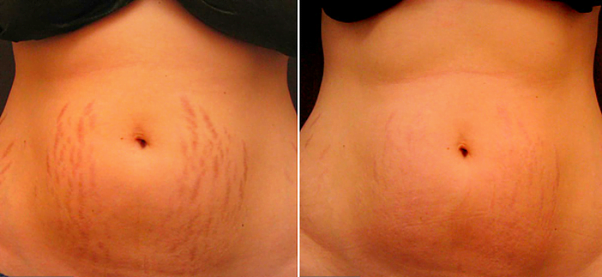
Stretch marks removal in Delhi is the best way to remove your marks. They form when the dermis known as the middle layer of the skin that maintains shape and elasticity is stretched more than it can tolerate.

Basically, connective fibers in the skin eventually break, disrupting collagen production and causing scarring. This scarring may b treatable only through stretch mark removal.

Stretch Marks removal in Delhi, Results, Recovery, and The cost

Causes of having Stretch Marks:

Stretch marks can occur on both men and women, particularly on the:

  • Thighs.
  • Hips.
  • Arms
  • Buttocks
  • Abdominal area
  • Lower back.

There are several causes of stretch marks, including:

Genetics:

Women are more likely to get belly stretch marks if their mother or any relative had the history of stretch marks, for instance, if they had stretch marks after pregnancy.

Puberty:

Growth spurts during puberty often result in stretch marks as the skin is unable to keep up with the body’s instant rate of growth.

Bodybuilding:

The rapid development of muscle mass may stretch the skin beyond its limits is one of the reasons for stretch marks.

Corticosteroids:

Heavy or long-term use of oral or topical corticosteroids, that is a widely used pharmaceutical steroid compound, can lead to stretch mark formation.

Stretch Marks after Pregnancy:

Stretch marks after pregnancy are very common. Nearly four in five women will develop stretch marks on their legs, abdomen, hips, and other areas of the body affected by weight gain during pregnancy, especially on their belly.

During pregnancy, the skin expands and stretches so much to its limit, causing tiny tears in the supporting layers of skin.

These tiny tears are stretch marks that appear as glossy, white-ish streaks in the skin. Many women who have stretch marks after pregnancy turn to the laser to eliminate this unwanted scarring because of this the best therapy to remove these scars.

This treatment is designed to give women the renewed, youthful appearance they desire.

Laser Stretch Mark Removal in Delhi:

During a laser process, a beam of light removes thin layers of skin around the stretch marks.

There are many lasers that are used for the therapy but the excimer laser is uniquely effective and best for this procedure.

Instead of burning or cutting the affected skin areas like any other lasers, it uses high-energy ultraviolet laser light to disrupt the molecular bonds in the skin tissue, which causes the tissue to disintegrate in a process known as ablation.

Once laser treatment is complete, the treated area will heal quickly, and new layers of healthy skin will form so fast, that means it takes minimal downtime.

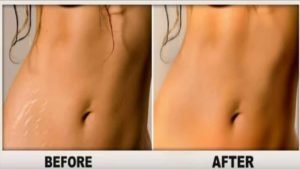
Stretch marks will have disappeared, and you can see a renewed, healthy appearance with the procedure.

Stretch Marks removal in Delhi, Results, Recovery, and The cost

Recovery?

After the laser immediately, the affected area will be red and tender.

Because layers of scarred skin have been removed and new skin is being grown. Occasionally blistering and other symptoms typical of a burn injury may be present, but these are temporary and can be cured easily.

Most patients heal so fast from a treatment like within a few days, but healing depends on the patient.

Results:

Laser therapy is highly effective in most cases. As with any other technique, success is dependent on the prevalence and age of the stretch marks.

Older and more serious stretch marks are more difficult to treat but with the laser, it is possible to treat it effectively.

Patients often require as many as 10 sessions to completely remove the narrow marks. In the most serious cases, even a series of laser treatments may only reduce the visibility of stretch marks.

Cost:

The cost of stretch mark removal in Delhi varies widely depending on the technique being used and the severity of the scars.

Like other therapies, natural techniques like creams and lotions are generally the cheapest and least involved, but also the least effective.

And the surgical treatment is generally the most expensive, though repeated laser treatments result in similar costs. So, the laser is the best way to go.

Vitiligo Treatment in Delhi:

Vitiligo is a disorder characterized by blotches of discolored skin. The blotches appear
lighter in color because the underlying cells that give skin its color known as melanocytes either die or lose function.

Eczema Treatment in Delhi:

Eczema is a term for several different types of skin swelling. It’s common in children but can occur at any age. Atopic dermatitis is long-lasting (chronic) and tends to flare periodically.

Keloid Scar, Symptoms, Causes, And Treatments

Keloid Scar, Symptoms, Causes, And Treatments

Keloid Scar, Symptoms, Causes, And Treatments

Keloid Scar, Symptoms, Causes, And Treatments

Keloid treatment In Delhi is the best way to remove these scars. When skin is injured, fibrous tissue called scar tissue forms over the wound to repair and protect the injury.

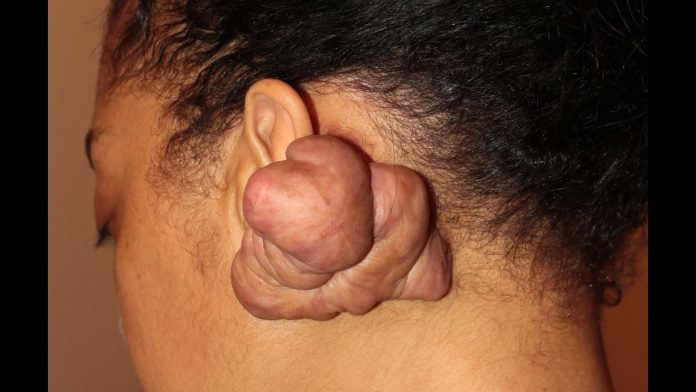
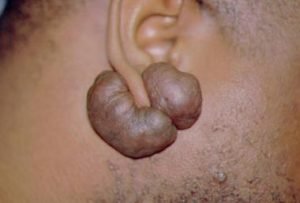
In some cases, scar tissue grows excessively, forming smooth, hard growths called scars.

Keloids can be much larger than the original wound. They are most commonly found on the chest, shoulders, earlobes, and cheeks. However, they can affect any part of the body.

Although they aren’t harmful to your health, they may create cosmetic concerns.

Keloid Scar, Symptoms, Causes, And Treatments

Symptoms:

Occur from the overgrowth of scar tissue. Symptoms occur at a site of previous skin injury.

The symptoms of a keloid can include:

  • A localized area that is flesh-colored, pink, or red
  • A lumpy or ridged area of skin that’s usually raised
  • An area that continues to grow larger with scar tissue over time
  • An itchy patch of skin

Keloid scars tend to be larger than the original wound itself. They may take weeks or months to develop fully.

While the scars may be itchy, they are usually not harmful to your health. You may experience discomfort, tenderness, or possible irritation from your clothing or other forms of friction.

In rare instances, you may experience keloid scarring on large areas of your body. When this occurs, the hardened, tight scar tissue may restrict your movements.

These scars are often more of a cosmetic concern than a healthy one. You may feel self-conscious if the keloid is very large or in a highly visible location, such as an earlobe or on the face.

Sun exposure or tanning may discolor the scar tissue, making it slightly darker than your surrounding skin.

This can make the keloid stand out more. Keep the scar covered when you’re in the sun to prevent discoloration.

  • Acne Scars
  • Burns
  • Chickenpox scars
  • Ear piercing
  • Scratches
  • Surgical incision sites
  • Vaccination sites

According to the Best Dermatologist In Delhi, an estimated 10 percent of people experience keloid scarring.

Men and women are equally likely to have these scars. People with darkly pigmented skin, such as African-Americans, are more prone to keloids.

Other risk factors associated, include:

  • being of Asian descent
  • being of Latino descent
  • being pregnant
  • being younger than 30

They tend to have a genetic component, which means you’re more likely to have keloids if one or both of your parents have them.

If you have known risk factors for developing scars, you may want to avoid getting body piercings, unnecessary surgeries, and tattoos.

The occurrence of keloids and psoriasis together is very rare.

Keloid Scar, Symptoms, Causes, And Treatments

When to seek medical attention:

They typically don’t require much medical attention, but you may want to contact your doctor in Delhi if growth continues if you develop additional symptoms, or if you want to have the keloid surgically removed.

They are benign, but uncontrolled growth may be a sign of skin cancer, So you have to beware.

After diagnosing scarring by visual exam, your doctor may want to perform a biopsy to rule out other conditions.

This involves taking a small sample of tissue from the scarred area and analyzing it for cancerous cells.

keloid Treatment In Delhi:

Looking for doctors with the most experience treating keloids? Get the best doctor in Delhi at ‘Adorable clinic’.

Treatment options and considerations:

The decision to treat a keloid can be a tricky one. The scarring is the result of the body’s attempt to repair itself.

After removing it the scar tissue may grow back again, and sometimes it grows back larger than before.

Examples of keloid treatments include:

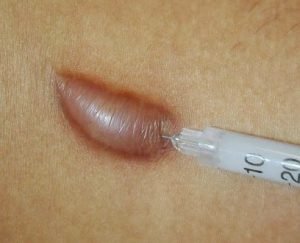
  • Corticosteroid injections to reduce inflammation.
  • Moisturizing oils to keep the tissue soft, such as these options available online.
  • Using pressure or silicone gel pads after injury.
  • Freezing the tissue to kill skin cells.
  • Laser treatments to reduce scar tissue.
  • Radiation to shrink keloids.

Initially, your doctor will probably recommend less-invasive treatments, such as silicone pads, pressure dressings, or injections, especially if the keloid scar is a fairly new one.

These treatments require the frequent and careful application to be effective. However, keloids tend to shrink and become flatter over time, even without treatment.

In the instance of very large keloids or an older keloid scar, surgical removal may be indicated for the best results.

Your doctor may recommend steroid injections after surgery to lower the risk of the keloid returning.

Dermatitis Treatment in Delhi:

Dermatitis is usually diagnosed based on clinical features alone, without the biopsy.
The pathologist should exclude vesiculobullous lesions caused by dermatophytes, which may be clinically indistinguishable from dyshidrotic Dermatitis.

Vitiligo Treatment in Delhi

Our phototherapy treatment for vitiligo in Delhi is considered to be the best treatment for anyone who is suffering from vitiligo. The Vitiligo Treatment in Delhi through the excimer laser 308 nm.

Mesotherapy and Liposuction Best Ways To Reduce Weight Fast

Mesotherapy and Liposuction Best Ways To Reduce Weight Fast

Mesotherapy and Liposuction Best Ways To Reduce Weight Fast

Mesotherapy and Liposuction Best Ways To Reduce Weight Fast

Mesotherapy is one of the new well known non-invasive weight loss treatments. the therapy is a non-surgical alternative to liposuction for men and women.

It also helps in back pain therapy, if you are dealing with the unbearable back pain you can easily go with the therapy.

It reduces cellulite and fat on all parts of the body. The process uses micro-injections of conventional or homeopathic medications into the middle layer of the skin known as mesoderm to deliver nutrients to a specific area of the body.

Many patients can lose 2 to 5 inches in the treated area. Mesotherapy can enhance the appearance of men and women of all ages while boosting self-esteem.

This procedure is not for obese people. It doesn’t replace any normal regimen of proper dieting and fitness.

However, the therapy can offer help to dissolve excess unwanted deposits in many areas of the body and is excellent for treating cellulite.

What are the benefits of Mesotherapy:
  • No surgery that means no girdles or bandages-no surgery risks
  • Little or no downtime procedure.
  • Average treatment time 20-50 minutes, which is quick.
  • You can return to work or to your normal activities immediately for most body areas.
  • Successfully targets cellulite and significantly improves cellulite-long term.
  • Melts fat quickly.
  • Breaks down sclerotic tissue.
  • Improves local blood flow.
  • Improves lymph drainage.
  • Rejuvenates skin.
  • Softens skin.
  • Mesotherapy can treat the abdomen, saddlebags, love handles etc.

Mesotherapy and Liposuction Best Ways To Reduce Weight Fast

What are the Benefits of Liposuction and Mesotherapy

While liposuction is a painful invasive surgical. The procedure requiring 1—2 weeks recovery time, restrictive girdles and other garments for 2-4 weeks.

Mesotherapy is only uncomfortable, but the therapy is non-invasive, not painful, has a quick recovery time and no downtime for most areas except for abdomen and chin areas.

Also, no girdles or restrictive clothing are needed. While the long-term benefits of liposuction are not as stable depending on how the patient change.

Mesotherapy has no weight gain in the treated area, while liposuction toes do not treat cellulite, mesotherapy your natural tissue function is preserved.

Mesotherapy can also be used as a form of back pain therapy based on the principles of reduction of cellulite and fatty tissue.

Mesotherapy is considered a nonsurgical alternative to liposuction for removing the unwanted fat.

Liposuction permanently removes fat from areas like your stomach, thighs, and back. Cosmetic surgeons in Delhi perform this procedure by inserting a thin plastic tube through small incisions in your skin and then suctioning out the fat using a surgical vacuum. Liposuction is done while you’re under anesthesia.

Although liposuction is considered effective at permanently removing fat, recovery can take up to six weeks which is time taking.

It also has risks like nerve and blood vessel damage, irregular skin contours, burns, and infection. And liposuction is expensive.

However, you may need 10 sessions or more to get the results you want.

Injection lipolysis is another noninvasive treatment that is similar to mesotherapy. The terms “mesotherapy” and “injection lipolysis” are often used synonymously, though they’re slightly different.

During injection lipolysis, your doctor injects phosphatidylcholine and deoxycholate into the fat layer under the skin to break up fat. As with mesotherapy, there is very little evidence to show injection lipolysis works.

Mesotherapy and Liposuction Best Ways To Reduce Weight Fast

What are the side effects:

People who practice the therapy say the risks are minimal if you go to a trained practitioner.

Side effects that have been reported include:

  • Nausea
  • Pain
  • Sensitivity
  • Swelling
  • Itching
  • Redness
  • Bruising
  • Bumps at the injection site
  • Dark patches of skin
  • Rash
  • Infection
  • Scars

Recovery:

Because the therapy is noninvasive, there usually isn’t any downtime. Many people are able to return to their regular activities right away.

Others may need to take a day off due to swelling and pain at the injection sites.

Tanning Treatment in Delhi:

Laser tanning removal involves exposing the damaged skin to laser light and the procedure eliminates the need for medication and almost always has immediate results.

Acne Removal in Delhi:

An Acne Treatment that treats acne from the start for what it is, an infected wound. These pimple patches are an overnight fixer to make whiteheads, blackheads, and picked zits to disappear by the time you wake up

Mole Removal in Delhi, Best results, Procedure and Cost.

Mole Removal in Delhi, Best results, Procedure and Cost.

Mole Removal in Delhi, Best results, Procedure, and Cost.

Mole Removal in Delhi, Get the Best results in Effective cost

Mole removal in Delhi provides the laser mole removal treatment by which you can get rid of moles. Moles are clusters of pigmented cells that appear as small, dark spots on the skin, and can vary greatly in size and color.

Moles typically appear on the face, arms, legs, and torso, but can develop anywhere on the body there is no specific area.

Some patients also opt to remove benign moles for cosmetic reasons using surgical, laser, or natural mole removal but the Mole removal in Delhi is the best way.

Mole Removal Is Important:

Yes, mole ole removal is crucial for patients who have developed melanoma, many patients choose to have their skin moles removed as a precautionary measure.

Some people choose to remove these moles because they dislike the mole’s appearance. For patients with cancerous moles, surgery is the only effective method of removal.

For those who want their moles removed for cosmetic reasons, they should go with laser mole removal in Delhi.

Mole Removal in Delhi, Best results, Procedure and Cost.

Laser Mole Removal in Delhi:

Laser mole removal is the best way for moles that are flat and brown or black in color. Full removal of the mole usually requires one to three sessions to mole removal in Delhi.

Where the patient will apply a local anesthetic and use a laser to remove the mole tissue. Generally, laser mole removal is not much good for very large moles or moles that protrude above the skin.

Procedure:

  • At first, the area of the mole is numbed using local anesthesia.
  • After this, a CO2 laser is used for excising the pigmentation of the mole. The pigment will then be cleared away by your body’s natural healing mechanism.
  • After the healing process, a scab will form where the mole used to be. This scab will fall away on its own after a while.
  • Right after the process, the area will take a darker tone. It will remain this way for a few days but it will back to the original color soon.
  • You can easily mask this discoloration using makeup if that was on the face. After the laser mole removal procedure, you must protect that area of the skin from sunlight at least for some weeks. Don’t forget to apply sunscreen when you go out.
 How safe is it?

When the treatment performed by an expert, the laser removal procedure is deemed as safe. The risk of scarring is also minimal.

There are minimal chances of scarring about 1% of scarring that patients face post-surgery.

A lot of patients worry that the procedure must be really painful. But the truth is, laser removal is one of the least painful mole removal procedures available in the market.

If you can bear higher pain, you would have no troubles at all throughout the therapy. Also, you won’t feel any pain during the procedure as the affected area will be numb.

Under the effects of anesthesia, the procedure may feel like a slight tingling that sit, so there is no risk and it is a totally safe procedure.

Mole Removal in Delhi, Best results, Procedure and Cost.

Why should you choose laser removal over the other procedures?

This question triggers your mind that why you should go for the laser removal instead of any other procedure.

The truth is, natural mole removal hardly ever offers desirable results, even many times they don’t show any result.

The natural mole therapy is also time-consuming, this procedure also fails to provide 100% guaranteed results.

The other popular option you have is cosmetic surgery for mole removal. If you are scared of going under the knife, this idea would scare you off. Even if it doesn’t the cost of the procedure surely will.

Considering everything, laser mole removal in Delhi seems to be the ideal option for those who cannot afford the high cost and do not want to undergo a complex procedure of cosmetic surgery.

There are several other benefits of laser mole removal. Some of them are below:

  • Automatic sterilization of the area by the laser
  • Pain-free and bloodless process.
  • Minimum injury to surrounding healthy tissues or skin.
  • Rapid recovery.
  • Lower chances of scarring
  • High aesthetic appeal.
Cost:

The cost of laser mole removal in Delhi may depend on various factors such as the type and size of the mole, the reputation of the specialist, and your geographic location.

Prior to the procedure, the doctor will need to conduct some tests to get a thorough analysis of your health condition.

These histological examinations and tests such as dermoscopy will come at an additional cost. You will only get to know the exact cost of the procedure at the clinic where you want it to do.

Mole removal in Delhi is the best clinic to get rid of the mole, and get back your confidence and improve your looks and making you happy after the process completed.

WhatsApp WhatsApp us