Home Blog Page 5

Hair Removal Laser Treatment, Do’s And Don’ts

hair removal

Hair Removal Laser Treatment, Do’s And Don’ts

Hair Removal Laser Treatment, Do’s And Don’ts

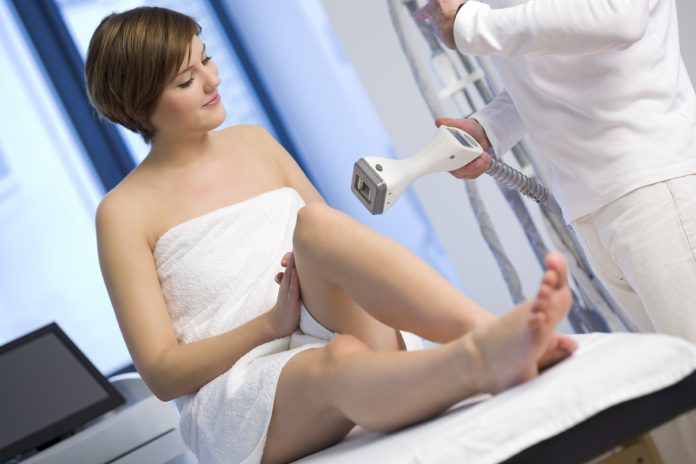
Hair removal laser treatment has soared in popularity over the past few years, a way to make your life and your grooming habits easier if you don’t have to shave or wax all the time.

As a result of its popularity many people are now seeking out the service in Delhi, but if you have never had laser hair removal from a place.

Laser before it’s important that you understand some of the do’s and don’ts to follow both before, during, and after the treatment.

PREPARING FOR YOUR TREATMENT:

The most important thing as you get ready for your laser hair removal treatment is that your skin is healthy and undamaged and smooth.

You have roots so the laser has something to target and then will stop the hair follicle from growing hair again it decreases the growth of hair.

DO: Wear sunblock with SPF 30 or higher if you are planning to be in the sun within a week of the treatment.

DON’T: Go to the tanning beds or get sunburned. Also, avoid the use of heavily perfumed lotions or creams before to the treatment.

DO: Shave the area that you plan to have hair removal laser treatment on the night before you’re headed to the treatment centre.

This helps to make sure that the laser has a target, the root, in the hair follicle.

DON’T: Wax, bleach, or pluck the hairs in the area where you are getting laser treatment. The way laser treatments at the Adorable clinic.

Laser work is by targeting the root of the hair follicle, destroying the hair follicle so it won’t grow in the future.

Plucking or waxing hairs removes the root, which means the laser won’t be able to target it effectively.

DURING YOUR LASER HAIR REMOVAL TREATMENT:

Once you arrive for your treatment at the Adorable clinic it’s imperative that you follow all the instructions of the staff to ensure you and everyone else remains safe and the
treatment is effective.

DO: Make sure you choose a reputable laser hair removal treatment facility. Read reviews, ask about qualifications, and work with a licensed esthetician.

DO: Wear the protective eyewear they provide for you-you may think you look silly, but looking a little weird for a few minutes is much better than suffering eye damage.

Don’t: Be afraid to ask questions or speak up if something is uncomfortable during the treatment. Your technician is there to help you.

So make sure you let them know how you are feeling or ask if there is something you don’t understand.

AFTER LASER HAIR REMOVAL:

Once the procedure is done you need to continue caring for the skin properly to ensure you don’t have irritated skin or other problems.

DO: Use the Restorative Gel provided by your Dermatotlogist in Delhi after treatment.

You may also want to get more for a few days after the treatment to minimize redness or other irritation, speed healing and prepare skin for your next treatment.

DON’T: Expose the area to the sun for a week after treatment or take hot baths and showers, or sit in a sauna for one or two days after the treatment.

DO: Follow all the post-treatment instructions to ensure you have the best possible results.

It is important to understand that laser hair removal is different for everyone. But everyone should be prepared to get several treatments over a period of time.

Hair grows in different cycles and at different rates, so one treatment won’t rid you of all your unwanted hair.

For more tips and to get started on your laser hair removal treatment, contact us today on  097111 50928.
hair removal

IMPORTANT TIPS FOR LASER HAIR REMOVAL IN DELHI:

Avoid excessive sun exposure:

In order to ensure that your laser treatment is really effective and give the best result, you need to avoid exposure to sunlight as much as possible.

This is recommended because lasered skin is vulnerable to sunlight and may react if it comes in contact with it, making the skin colour darker.

Wear a sunscreen:

This one was pretty obvious. Once you have gotten your laser treatment in Delhi done.

You need to buy yourself a good sunscreen (preferably SPF 30). Apply sunscreen every time you go out even though the exposure to the sun is minimal.

Avoid extremely hot showers or bath:

It is highly recommended to avoid hot showers or bath for at least 48 hours after the laser treatment.

Do not pluck or wax the area which was treated:

If in between the sessions you wax or pluck the area which has been treated in the subsequent session we lose of the follicle

We could have targeted and destroyed with the laser thus not getting the desired results in the stipulated time period.

Avoid harsh creams:

One needs to avoid any kind of harsh creams on the skin after the treatment for at least 4 to 5 days. This would help in preventing side effects or allergic reactions.

Avoid bleach:

You are expected to not immediately use chemical bleach on the area which has been treated.

Use anti-inflammatory creams:

Using anti-inflammatory creams on the area which has been treated may be very helpful.

In the case of discolouration/ pigmentation, one can apply Vitamin E to encourage soothing of the skin and makes it smooth.

Keep away from deodorants:

It is suggested to not use deodorants for at least 3 days after the treatment in order to avoid irritation on the skin.

Don’t expect the hair not to grow back after 2-3 days of a laser session:

Targeted hair usually shed off in a weeks time so be patient and wait for the desired results.

The next laser session:

Your next laser session should be after 4 to 6 weeks depending on your hair growth and not anytime sooner than that.

It is very important to have a good gap between all your laser sessions in Delhi.

Getting a laser treatment in Delhi done is a great experience which will leave your body really smooth.

However, the steps you take in order to make the treatment successful plays a very vital role.

One needs to provide their skin with all the essential care that it requires after a laser treatment for the best results.
Tattoo Removal Recovery, Tips for Better Result

Tattoo Removal Recovery

Tattoo Removal Recovery, Tips for Better Result

Tattoo Removal Recovery, Tips for Better Result

Tattoo removal recovery involved physically scraping away the ink, which unsurprisingly damaged the skin, but now we have far more sophisticated methods.

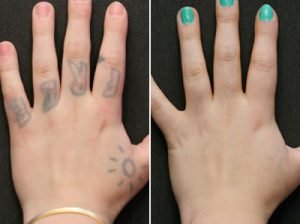
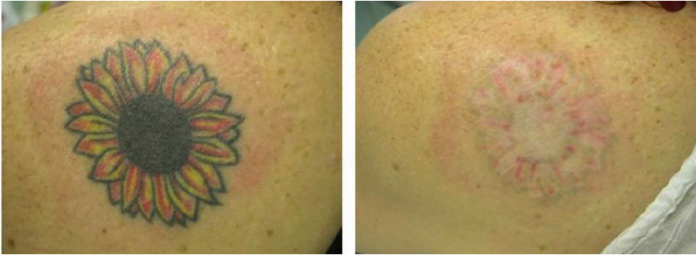
The current standard for tattoo removal is laser treatment. The most common type of laser treatment in Delhi uses equipment called the Q-switched laser.

Which pulses light rapidly to dissolve the tattoo pigments without serious side effects.

Tattoo removal sessions typically last between 15 and 30 minutes. How many sessions it takes to remove a tattoo varies on its size, location and colouration.

Generally, 3 to 7 sessions scheduled a month and a half to two months apart will ensure complete removal of a tattoo.

While laser tattoo removal in Delhi treatment has minimal risks, it is important to know proper tattoo removal aftercare.

Here are some helpful tips for making the laser tattoo removal recovery process more faster and more effective.

Why do people change their minds?

  • The tattoo might no longer hold the same emotional significance it did when you first got it.
  • Maybe the quality of the tattoo is not what you expected, or perhaps the quality did not age well.
  • You could feel your personality or circumstances have changed, and the tattoo no longer reflects who you are.
  • Although taboos around tattoos are changing. You might be concerned about how the ink might affect your professional life.

Whatever the reason if you are no longer happy with your tattoo, you do not have to live the rest of your life with it on your skin. Successful tattoo removal is a viable option.

The Laser Tattoo Removal Recovery Process:

As you undergo your laser tattoo removal sessions, you will want to know what to expect as you move through recovery. Here are a few things to expect during the treatment.

Discomfort:

The laser tattoo removal process will not be painless. However, with our extensive experience, we have developed a unique numbing technique that prepares the upper layers of skin to low the discomfort.

This method is very safe and is localized to the treated area only. By going through the process ourselves, that is how we figured out this numbing technique.

With the experience and training that we have, we will make each treatment as comfortable and quick as possible and the results will be great.

After the treatment, you may experience a few uncomfortable laser tattoo removal side effects such as redness, blistering, swelling, scabbing, itching and small amounts of bleeding.

These minor symptoms will likely only last a few days after each session. In the interim, you can soothe the discomfort with an ice pack.

You may notice the blisters will lead to skin peeling that can last up to two weeks after a laser treatment session.

You will need to wait for 6 to 8 weeks between each session to allow your body to dispose of the tattoo ink the laser has dissolved.

This time frame will be determined when we are checking you out and scheduling you are following up the appointment.

Tattoo Removal Recovery

Skin Discoloration:

During the treatment of laser tattoo removal recovery process, you will likely notice some temporary skin discolouration.

As the laser breaks up the ink, the upper layer of your skin will likely turn a shade of white.

This side effect is known as frosting and will change as the skin peels off during the recovery process between the treatment sessions.

Hyperpigmentation and hypopigmentation are other potential side effects to keep in mind. Hyperpigmentation is a darkening of the skin.

The laser’s pulses of light waves can affect the natural colour of your skin. People with darker skin tones are more likely to experience hyperpigmentation.

Hypopigmentation is a lightening of the skin’s natural colour, A side effect more common in people with lighter skin tones.

In most cases, the skin will return to its natural colour within six months to a year following your final treatment.

But it is possible for hyperpigmentation and hypopigmentation to be permanent.

Expectations:

During the recovery process, it is important to manage your expectations. Laser tattoo removal is an effective and best treatment, but the results are sometimes not perfect.

The type of ink in your tattoo, its size and its location can mean varying results. For example, black colour on lighter skin is typically very easy to remove.

On the other hand, green and purple ink can be very difficult to remove from any skin tone.

Larger tattoos will take longer to remove, and the larger surface area may make it more difficult to remove the tattoo completely.

You should also know tattoos located farther down on your arms and legs may be more difficult to remove completely.

The farther away from your heart, the poorer the circulation. Tattoos removed from areas like the ankle may also take longer to recover due to circulation issues.

Your tattoo will be gone or nearly gone after you complete your sessions, but keep in mind results will vary.

Tattoo Removal Recovery, Tips for Better Result


Tips for Speeding up the Recovery Process:

Proper laser tattoo removal recovery and aftercare will help ensure you have a smooth and quick recovery.

Prep your immune system for tattoo removal recovery:

Your immune system plays a vital role in any sort of recovery process, and the same is true of laser tattoo removal recovery.

In preparation for your treatment sessions, focus on eating nutritious foods and exercising. Adding those two things to your routine will help keep your body healthy and ready to help you heal.

Try immune-boosting foods like citrus fruits, which have lots of vitamin C, or ginger, which has anti-inflammatory properties.

Proper cleaning for tattoo removal recovery:

Proper cleaning of the treated area goes a long way toward preventing infection, Which is a big stumbling block on the road to recovery.

Each day, clean the area with cool water and pat it dry. Avoid rubbing the area, as this can further irritate the tender skin.

You should also apply an antibiotic ointment to the area, particularly any blisters that have burst.

Cover it with a clean bandage during the first three days after a treatment session to provides further protection against potential infection.

Topicals for tattoo removal recovery:

Once you have gotten past the three-day mark, You can use a variety of different topicals to help achieve faster recovery from laser tattoo removal in Delhi.

Vitamin E oil or hydrocortisone cream can help you manage irritating symptoms like itching.

If you give in to the temptation to scratch, you can prolong skin irritation and increase the likelihood of scarring.

Soothing topicals can help prevent scarring from laser tattoo removal. It is also important to remember to wear sunscreen on the area for up to three months after your final treatment.

Remember, wearing sunblock during any prolonged period in the sun is a good habit to form.

Cool compresses for tattoo removal recovery:

Swelling and redness are common side effects of laser tattoo removal. If you are experiencing inflammation, it can be tempting to touch or pick at the treated area.

Instead, use a cool compress to help reduce inflammation, which can be particularly helpful for the first day following a treatment session.

You can use things like a cool, damp cloth, an ice pack or a bag of frozen vegetables from your freezer.

After you are done using the cool compress of your choice, remember to properly clean and dry the area.

Avoid unnecessary stress for tattoo removal recovery:

Stress can severely impact our ability to heal the area. While you are recovering, try to stay calm and levelheaded.

You can go about your daily life, but do your best to avoid overly stressful situations. Maybe you can even treat yourself to some great relaxation techniques like a long walk or a message.

Whatever stress relief and management techniques you like best, this recovery period is a great time to use them for faster recovery.

Consider taking a break from smoking for tattoo removal recovery:

It is no secret smoking is an unhealthy habit, but it can affect your body in surprising ways. no doubt.

Smoking can reduce the chances of effective tattoo removal over 10 sessions by approximately 70 per cent, so stop smoking.

Smoking causes your blood vessels to constrict, but you need good, strong circulation for your body to clear the pigments from the tattoo effectively.

If you do smoke, try to stop or reduce consumption during your treatment period to maximize the effectiveness of the treatment.

White Stretch marks treatment At Lower Price

White stretch marks

White Stretch marks treatment At Lower Price

White Stretch marks treatment At Lower Price

White stretch marks are coloured lines or streaks that appear on your skin from weight gain or growth. They are essentially tears on the skin but aren’t an indication of a health issue.

Stretch marks often begin as red or purple marks, and slowly fade to white or silver over time. The difference in colour distinguishes how old the marks are.

Though they may never disappear completely, treatment can lighten the colour of your marks and shrink them. In other cases, stretch marks fade away on their own.

Newer, red-tinged stretch marks (striae rubra) are easier to treat. They begin red because blood vessels are present under the skin.

The presence of functioning blood vessels allows red stretch marks to be more responsive to treatment.

White stretch marks or striae alba are older and more difficult to treat. Over time, your blood vessels will narrow, making it hard to stimulate collagen production.

White stretch marks treatment in Delhi results may not be as drastic compared to those of red stretch marks, but there are options available to help them fade more naturally and at a faster pace.

Exfoliate:

A simple way to treat white stretch marks or stretch marks is through regular exfoliation. This removes excess dead skin from your body and a new skin from your stretch marks.

Exfoliating alongside other treatment methods can also enhance your results. Removing dead skin from your stretch marks allows other skin treatments to penetrate more deeply and work faster and gives the better result.

Topical treatments:

Topical creams and the ointments are more affordable methods for reducing the appearance of white stretch marks.

Some creams are available over-the-counter, while others are prescribed by a dermatologist in Delhi.

Applied regularly, topical creams can lighten the tone of stretch marks but they may not completely remove them.

Before using any topical treatment, discuss your risks with your skin specialist in Delhi. Some creams can trigger an allergic reaction or may not be strong enough to treat your condition.

Microdermabrasion:

Microdermabrasion is a painless procedure to reduce the appearance of white stretch marks in Delhi.

This procedure targets the upper layer of skin i.e. epidermis and works by stimulating the skin to tighten collagen and elastin fibres.

In this procedure, tiny exfoliating crystals are sprayed onto the affected area or a special tipped wand is rubbed over the area.

Using a wand-like device, the crystals are gently removed, taking with them dead skin from the epidermis layer.

For effective results, microdermabrasion needs to be repeated over a period of time. After the procedure. Your skin may feel tight and dry.

There may be some redness from the exfoliation. It typically takes 24 hours for your skin to heal.

Though it is effective, this procedure isn’t guaranteed to fully remove stretch marks. The severity of your stretch marks will influence your results.

White stretch marks

Microneedling:

Microneedling targets the dermis, the middle layer of your skin where stretch marks form. Within this procedure, the tiny needles are poked into your skin to trigger collagen production.

Increased collagen and elastin promote skin regeneration that can improve your skin’s appearance and reduce stretch marks.

To effectively treat white stretch marks, you will need to participate in more than one treatment over a course of months.

Microneedling has been shown to be an effective treatment for reducing stretch marks, specifically for patients with darker skin.

Laser therapy:

Laser therapy is a common treatment option to remove white stretch marks effectively. In the procedure, lasers penetrate the skin, triggering regeneration.

This stimulates the tissues around your white stretch marks to heal at a faster rate.

Laser therapy stimulates melanin production on the affected area, activating pigment cells in your skin.

This causes your stretch marks to blend in with your normal skin tone. Though effective, laser therapy requires more than one session to notice results.

There are a number of different laser therapies used to treat stretch marks and other skin issues. Discuss your options with your dermatologist.

Laser therapy is classified as non-invasive and invasive treatment, which means that no surgical incisions are used.

This makes the recovery time much quicker compared with traditional surgery. Still, you should plan to take time off on the day of your treatment at the very least.

Depending on the type of laser used, the total procedure time can last between 30 and 90 minutes.

This does not include time spent on filling out paperwork, as well as prep time before the procedure.

You might notice that your skin is slightly pink or red after each treatment. This is normal and should subside within a few weeks.

Ablative lasers are the most effective in treating white stretch marks, but they also have the most side effects because of their aggressive nature.

Such effects include raw skin and mild discomfort. Your skin will also scab over before revealing new tissues around the stretch marks.

Cosmetic surgery:

If other treatments are unsuccessful, cosmetic surgery is an option that is worth it too. This expensive, yet effective, an option can permanently remove white stretch marks from your body.

However, it is important to understand that surgery can leave scars of its own. A tummy tuck, medically known as an abdominoplasty.

It is a cosmetic procedure that not only removes stretch marks but also removes excess skin and fat from your abdomen.

This procedure gives the skin and abdomen a flatter and firmer look. However, a surgical procedure comes with a number of health risks.

Before pursuing this treatment, discuss your options with your doctor that suits you best.

White stretch marks are a very common skin issue. White stretch marks are older skin scars that are more difficult to treat than newer stretch marks.

However, there are options available to reduce the appearance of your scars if you so choose.

Prior to pursuing treatment, understand there’s a possibility your stretch marks may not disappear completely.

If you have questions or concerns about treatment or potential side effects, schedule a visit with us and contact us on 097111 50928.

Botox injections, Procedure, Benefits, Risks

Botox injections

Botox injections, Procedure, Benefits, Risks

Botox injections, Procedure, Benefits, Risks

Botox injections are the best known of a group of medications that use various forms of botulinum toxin to temporarily paralyze muscle activity to stop ageing.

This toxin is produced by the microbe that causes botulism, a type of food poisoning.

Botox injections are noted primarily for the ability to reduce the appearance of some facial wrinkles and fine lines.

They are also used to treat such problems as repetitive neck spasms (cervical dystonia), excessive sweating (hyperhidrosis), overactive bladder and the lazy eye.

Botox injections may also help prevent chronic migraines in some people. Botox was the first drug to use botulinum toxin. Other products now include Dysport, Myobloc and Xeomin drugs.

Each is a little different, particularly when it comes to dosage units, so they are not interchangeable.

Why it’s done:

Botulinum toxin injections or botox block certain chemical signals from nerves, mostly signals that cause muscles to contract.

The most common use of these injections is to temporarily relax the facial muscles that underlie and cause wrinkles and fine lines, such as:

  • Frown lines between the eyebrows.
  • Crow’s-feet, the lines that fan out from the corners of the eyes.
  • Forehead furrows.

Botulinum toxin injections are also used to treat conditions that affect how the body functions. Examples include:

Cervical Dystonia: In this painful condition, Your neck muscles contract involuntarily causing your head to twist or turn into an uncomfortable position.

Lazy eye: The most common cause of lazy eye is an imbalance in the muscles responsible for positioning the eye.

Muscle contractures: Some neurological conditions, Such as cerebral palsy, can cause your limbs to pull in toward your centre.

In some cases, these contracted muscles can be relaxed with botulinum toxin injections.

Hyperhidrosis: In this condition, Excessive sweating occurs even when the temperature isn’t hot and you’re not exerting yourself.

A chronic migraine: If you experience migraines more than 15 days a month, Botulinum toxin injections may help reduce headache frequency.

Bladder dysfunction: Botulinum toxin injections can also help reduce urinary incontinence caused by an overactive bladder.

Eye twitching: Botulinum toxin injections may help relieve contracture or twitching of muscles around the eye.

Risks:

Botox injections are relatively safe when performed by an experienced dermatologist in Delhi. Possible side effects include:

  • Pain, swelling or bruising at the injection site.
  • A headache or flu-like symptoms.
  • Droopy eyelid or cockeyed eyebrows.
  • Crooked smile or drooling.
  • Eye dryness or excessive tearing.

Although very unlikely, it is possible for the effect of botulinum toxin to spread to other parts of the body and cause botulism-like signs and symptoms.

Call your doctor right away if you notice any of these effects hours to weeks after receiving Botox:

  • Muscle weakness all over the body.
  • Vision problems.
  • Trouble speaking or swallowing.
  • Trouble breathing.
  • Loss of bladder control.

Doctors generally recommend against using Botox when you’ are pregnant or breastfeeding.

Botox injections

Select your doctor carefully:

Botox injections must be used only under a doctor’s care. It is important that injections be placed precisely in order to avoid side effects.

Botox injections therapy can be dangerous if it’s administered incorrectly. Ask for a referral from your primary care doctor.

Look for a skin specialist in Delhi who specializes in your condition and who has experience in administering Botox treatments.

A skilled and properly certified doctor can advise you on the procedure and help determine if it best suits your needs and health.

How you prepare:

Tell your doctor if you have received any type of botulinum toxin injections within the past four months.

And tell him or her if you take muscle relaxants, sleeping aids or allergy medications.

If you take blood thinners, You may need to forgo them for several days before your injection, to reduce your risk of bleeding or bruising.

What you can expect:

Before the procedure:

Most people tolerate the injection discomfort well.

But you may want your skin to be numbed beforehand, especially if your palms or soles are being treated for excessive sweating.

Your doctor might use one or more of various methods available to numb the area, such as topical anaesthesia, ice and vibration anaesthesia, which uses massage to reduce discomfort and effects.

During the procedure:

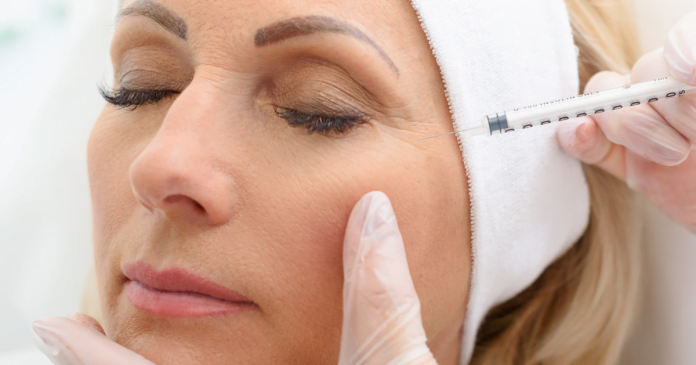
Your doctor uses a thin needle to inject botox injections tiny amounts of botulinum toxin into your skin or muscles.

The number of injections needed depends on many factors, including the extent of the area being treated. Botox injections are usually done in a doctor’s office.

After the procedure:

Expect to resume your normal daily activities right after the procedure. Take care, though, not to rub or massage the treated areas.

This can cause the toxin to migrate to a different area.

Results:

Botulinum toxin or botox injections usually begin working a few days after treatment. Depending on the problem being treated, the effect may last three months or longer.

To maintain the effect, you will need regular follow-up injections.

Contact us on 097111 50928 Best treatment for all skin disorder like hair removal in Delhi, Anti-Ageing treatment, Pigmentation removal in Delhi, and other serious skin conditions like Eczema, Psoriasis, Melasma etc.

Hair transplantation, Causes of Hair Fall, Permanent Solution

Hair transplantation

Hair transplantation, Causes of Hair Fall, Permanent Solution

Hair transplantation, Causes of Hair Fall, Permanent Solution

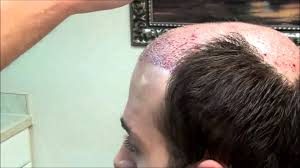
Hair transplantation is a surgical method to get rid of baldness, treatment is used to treat varying levels of the androgenic alopecia in men and women.

It is a surgery in which balding areas are filled with hair to make the scalp fuller. Unlike other organ transplant procedures.

In this treatment, your own hair is transplanted and no external donor is needed.

It is normal to lose up to 100 hairs a day, However, losing more than that can spell trouble. It is then that you require medical intervention and get yourself diagnosed.

You can visit a general doctor for the preliminary diagnosis. If required you may be referred to a dermatologist, an endocrinologist or a trichologist.

What are the causes of hair fall?

The most common causes of hair fall include:

  • Physical stress due to overwork illness, accident, injuries, childbirth, emotional disorders, anxiety or surgery which can cause telogen effluvium.
  • Usage of birth control pills by women also the cause of hair fall.
  • Pregnancy in women which can result in hormonal imbalances causes hair fall.
  • Scalp infections such as ringworm or fungal infections.
  • Poor diet, especially less protein intake, which can cause hair loss as hair strands are essentially made of the protein or keratin.
  • Excessive hairstyling and colouring and uses of chemicals and sprays.
  • Smoking.
  • Genetic hair loss.
  • Autoimmune disorders such as alopecia areata, or lupus, where the immune system of the body attacks its own healthy cells, including hair follicles.
  • Chemotherapy can result in spot baldness or complete baldness.
  • Taking excessive amounts of Vitamin A supplements and other supplements.
  • Male pattern baldness caused by a combination of family genes and male hormones.
  • Female pattern baldness caused by family genes.
  • Medical conditions such as anaemia, polycystic ovary syndrome (PCOS) in women, eating disorders, and thyroid disease.
  • Vitamin B deficiency in the body.
  • Sudden weight loss due to physical trauma.
  • Burns and X-rays too can cause sudden temporary hair loss.
  • Taking medicines such as blood thinners and anti-depressants.
  • Trichotillomania which is an impulse control disorder causing people to compulsively pull out their own hair.
  • Natural ageing, especially when people enter their 50s or 60s.

How are the causes of hair fall diagnosed?

Since hair loss and can be caused by a number of factors, the first step should be to consult your family physician or a general practitioner.

The dermatologist will perform a general physical exam for you, and ask you a number of questions to glean your and your family’s medical history.

He will ask you about:

  • How noticeably your hair is thinning.
  • Your family history of hair loss and baldness.
  • Your diet.
  • Your hairstyling habits.
  • Any recent illnesses, especially skin rashes.
  • Medicines you take either for thyroid problems, arthritis, depression or heart-related issues.

Based on your responses and overall general health, the doctor may then advise you to undergo the following tests:

Blood test: To determine if you suffer from any health problems such as thyroid.

Pull test: In which the doctor will pull your hair to see how many hairs come out on an average.

Scalp Biopsy: In which the doctor will scrape some skin and a few hairs from your scalp to check if you suffer from any kind of scalp infection.

Light Microscopy: Which will help diagnose any disorders of the hair shaft you may suffer from.

Hair Transplant Question

Hair loss can also occur due to a poor diet, stress, vitamin deficiency, thyroid problems, pregnancy, treatments like chemotherapy, or due to ageing.

These conditions are not very serious and can be addressed easily by taking medicines, or stopping certain medicines, and changing your lifestyle. Very often the hair grows back.

If your hair loss is due to genetic reasons, or conditions such as alopecia, your hair will not grow back naturally for that you have to pick some surgical method like.

Hair Weaving in Delhi.

Hair Extensions in Delhi.


Hair transplant in Delhi.

This can be distressing for you as hair loss can affect your overall appearance. Under such circumstances, based on your general physical health and the pattern and severity of hair loss.

Your dermatologist’s suggestions, you may consider a couple of medical procedures, which can help alleviate your condition.

What are the types of hair transplantation?

The hair transplantation procedures are:

  • Hair Transplantation
    • Follicular Unit Transplantation (FUT)
    • Follicular Unit Extraction (FUE)

What is Follicular Unit Transplantation (FUT)?

A highly advanced technique of hair transplantation, Follicular Unit Transplantation (FUT) is performed in a way.

Which imitates the pattern of natural hair growth and is an ideal choice for people who have large bald areas on their scalp.

This procedure involves removing an entire strip of hair from a ‘donor area’ where hair fall is less and hair growth is still thick.

The area from where the strip is taken is sutured leaving a linear scar on the scalp. The strip containing the hair follicles is divided into grafts consisting of one or two follicles.

The follicular units contain sebaceous glands (oil glands), nerves, a tiny muscle, and some fine hairs called vellus hairs.

Thousands of these follicular unit grafts are placed into tiny incisions made on the bald areas of the patient’s scalp, also known as the ‘recipient areas’, in a single session.

The hair growth from these grafts follows a very natural growth pattern, giving away no tell-tale signs of surgery.


What is Follicular Unit Extraction (FUE)?

Follicular Unit Extraction (FUE), as opposed to the FUT procedure, is a hair transplant in Delhi method in which the doctor extracts the follicular units of hair, from the donor area of your head, one by one.

The surgeon uses a small microneedle, which punches a tiny incision around a hair follicle before extraction. Each unit contains one to four hairs.

These ones, to four hair groupings (called follicular unit grafts), are then transplanted into the balding areas of your head.

In this method thus, there is no need for the surgeon to make a long incision in the donor area, as in the FUT procedure.

This is an ideal method of surgery for patients who like to wear their hair short. This method is also recommended for patients who have a tight scalp or have previously undergone the ‘strip’ or FUT method but with little success.

Hair transplantation, Causes of Hair Fall, Permanent Solution

Am I eligible for hair transplantation?

You are eligible for hair transplantation if you:

  • Are 25 years of age or above. The ideal age, However, is 30 years and above.
  • Do not suffer from, uncontrolled diabetes, asthma, heart problems, or high blood pressure/hypertension, and are not completely bald or taking blood-thinners or beta-blockers.
  • Are suffering from advanced hair loss for more than 5 years, and now your pattern of hair loss is established, leaving you with very low-density hair on the scalp.

What are the risks and disadvantages of the FUT procedure?

The risks and disadvantages of undergoing the FUT procedure include:

  • Experiencing numbness, discomfort, or itching, during the process, which is transitory.
  • Experiencing shock hair loss after the procedure, which is temporary.  The hair usually grows back in 3 to 6 months.
  • Local inflammation and infection if proper care is not taken during and after the surgery.
  • Scarring at the site where the donor strip is excised.
  • The longer recovery period, as this procedure is invasive.
  • Avoiding any form of strenuous activity for at least 4 weeks after the surgery.

What are the risks and disadvantages of the FUE procedure?

The risks and disadvantages of the FUE procedure include:

  • Hundreds of tiny round white scars on the head caused by the incisions to extract the hair follicles, which will be typically invisible to the human eye after your hair has grown out.
  • Numbness.
  • Bleeding.
  • Itching.
  • Swelling around the eyes and forehead, and temporary cyst formation on the areas where the hair is being transplanted.
  • Risk of infection, and inflammation, if proper care is not taken during and after the surgery.
  • Experiencing shock hair loss, which is temporary and the hair usually grows back in 3 to 6 months.
  • Costly, tedious and a time-consuming procedure as individual follicular units are extracted.
  • Is not be suitable for large areas of baldness.

What are the advantages of the FUT procedure?

The benefits of FUTprocedure include:

  • A large number of follicles can be transplanted in a single session.
  • Provides better yield of hair compared to other hair transplant procedures.
  • An enhanced, natural-looking cosmetic effect, once the hair grows.
  • More affordable than other hair procedures such as FUE.

What are the advantages of an FUE procedure?

Some of the advantages of the FUE procedure include:

    • It is a less invasive surgery than FUT, with no visible scarring in the donor area.
    • It is ideal for short sessions and for patients in the early stages of hair loss.
    • It is ideal for patients who would like to sport short hairstyles.
    • It is ideal for patients who have no problem in shaving their heads.
    • It is also ideal for moustache or eyebrow replacement.


Anti-Ageing, Best Treatments For the Younger Looking Skin

Anti-ageing

Anti-ageing, Best Treatments For the Younger Looking Skin

Anti-ageing, Best Treatments For the Younger Looking Skin

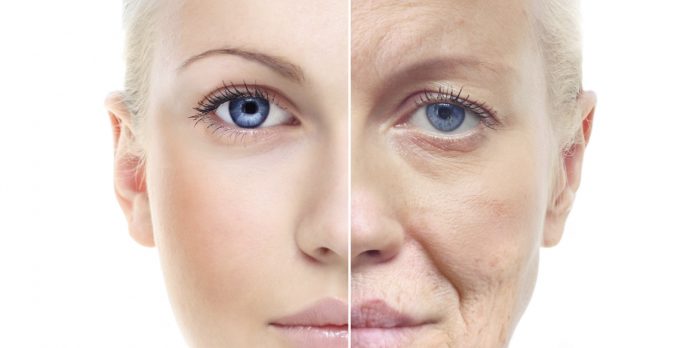
Anti-Ageing treatments, With so much buzz about plastic surgery – both invasive and noninvasive treatments it is hard to know if any of them are actually smart options.

What works? What does not? , You will get the info here. What makes sense for someone my age and what should be avoided? Here, we explain popular anti-ageing treatments in Delhi.

A visit to the plastic surgeon is not the only way to improve your looks or turn back the years. The “lunch-time facelift” promises a younger, better-looking you with no surgery, no general anaesthetic and no downtime.

Although lunch-time and facelift may be a bit of a stretch, these days it’s increasingly possible to take a few years off your face in a day clinic without the expense, pain and temporary disappearance from public life associated with surgery.

Best Treatments in Delhi for Anti-Ageing:

Dermal fillers:

The injection of filler materials under the skin can fill in deep folds, such as nasolabial folds (also known as smile lines or laugh lines), create fuller lips and pad out hollow cheeks and eyes.

Rather than just smoothing or tightening skin, they can change the facial profile to a more youthful one.

Although collagen used to be the standard filler, hyaluronic acid, with brand names like Restylane and Juvederm, is now more popular.

Hyaluronic acid lasts somewhere between six months to a year, Although treating areas of the face that move less will last longer than those that move more, such as the lips – and you tend to get better results with each treatment.

There is evidence that hyaluronic acid injections can also have a more permanent anti-ageing effect by stimulating collagen growth.

Synthetic fillers, such as Radiesse, are long-lasting (12 to 18 months). The main risk associated with these lumps forming under the skin that has to be surgically removed, or changes to the skin structure that occur with age, leaving odd shapes where the filler is.

Finally, there are fat transfers, where your own body fat is extracted, processed and injected into your face.

This can be expensive, and while it sometimes lasts five to 10 years, the fat may not survive long at all and may be absorbed back into the body.

How much these procedures cost is difficult to say, because treatments are usually priced by the type and volume of filler used, and that depends on what you’re having done.

Anti-ageing

Chemical peel:

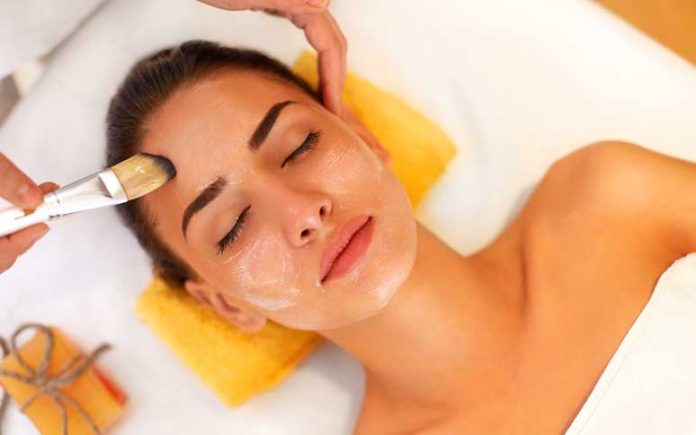
Chemical peel and Acid, such as glycolic acid, lactic acid or trichloracetic acid, is applied to the skin and exfoliates the top layer, causing dead skin cells to peel off.

At stronger concentrations, new, tighter skin forms as collagen production is stimulated in response to the wounding.

It can help reduce fine lines, small scars, discolouration, and sun-damaged skin. The stronger the peel, the more dramatic and longer-lasting the results.

Stronger peels (concentrations of more than 30%) are better left to medical professionals rather than beauticians.

The acid stings, and for a strong pee,l a sedative may be helpful. After-care for a strong peel may include bandaging, and it could take weeks to heal.

Milder acids may result in some redness and peeling in the first week, and there may be some crusting or scabbing.

A stronger peel’s benefits can last for two years, Although it depends on the strength of acid used (which determines how deep the peel is).

These days a course of several milder peels, rather than one strong peel, is common. Milder peels may require top-up peels every few months.

Dermal rolling:

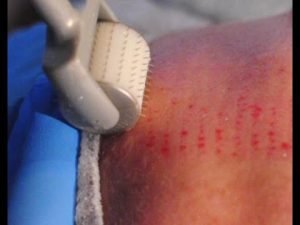
Percutaneous collagen induction therapy, popularly known as derma rolling or micro needling, involves rolling a cylinder covered in tiny needles over your skin.

The damage caused by the needles stimulates collagen production and has been successfully used for treating scars, especially acne scarring, fine lines and wrinkles.

It may sometimes be combined with radio frequency energy to create a greater effect. As a rule, the longer the needle, the greater the damage and the greater the effect.

However results may not be as good as those achieved by Dermatologist in Delhi, and you could do harm with poor technique, damaged needles or needles that are too long, or poor hygiene.

You can also have it done by a skin specialist in Delhi, but make sure they’re experienced and have good hygiene practices unclean rollers can spread infection. Dermatologists and cosmetic physicians offer micro needling with or without radiofrequency.

Microdermabrasion:

Not to be confused with dermabrasion, microdermabrasion can be done at a salon or spa, and uses fine crystals to sand the face and remove dead skin cells, to clear the skin.

It may help reduce the appearance of fine lines and wrinkles, and improve skin texture, but do not expect a major anti-ageing effect. There will probably be some redness and swelling for a few hours.

Laser and similar procedures:

Many non-surgical skin-tightening procedures in Delhi work using heat to create controlled injury in the epidermal and dermal layers of the skin, inducing the body to respond by producing more collagen in the treated area.

The increased collagen plumps and thickens the skin, reducing the appearance of fine lines, acne scarring and stretch marks.

Some lasers act on the surface as well as deeper and have a better track record. It is the wavelength of the laser which determines how deeply it penetrates the skin.

Lasers are used for moderate lines and wrinkles and improve skin tone, texture, and tightness, though they don’t work on very deep lines.

There are many different laser treatments available, and they’re usually classified according to injury pattern, the depth at which they act and whether they destroy or simply heat tissue.

  • Continuous laser: treats the whole area of the skin, while fractional lasers penetrate the skin in a pattern of microscopic columns, leaving surrounding healthy tissue unaffected.
  • Ablative lasers: destroy the tissue, Which is replaced by new healthy tissue, while non-ablative lasers heat the tissue to stimulate collagen production, but leave it intact.

In short, the greater the injury, the greater the effect – the trade-offs being a longer recovery time and a higher risk of adverse events.

Non-ablative laser: has the mildest effect, followed by fractional ablative (e.g. Fraxel Re: pair, Pearl Fractional), and continuous ablative is the most effective.

  • Non-ablative treatment requires a topical anaesthetic. Your skin will be red for up to a week, and there may be mild swelling and peeling. You will probably need several sessions a few weeks apart.
  • An immediate improvement can be seen, with continued improvements for the next two to three months.
  • Fractional ablative resurfacing affects surface and deeper tissue, resulting in longer down-time, with redness and swelling of up to two weeks.
  • The continuous ablative laser may need a combination of topical and systemic painkillers and sedation.
  • Recovery means a week at home out of the sun keeping the raw skin moist, and it may be red for a few weeks after that.

Possible long-term effects of ablative procedures include prolonged redness, scarring, pigmentation changes, and infections, though risks are reduced with fractional systems and experienced laser surgeons and dermatologist.

Doctors advise against laser therapy for people affected by an active herpes infection, people who have recently used systemic isotretinoin or people with darker skin.

Anti-ageing

Intense Pulsed Light (IPL):

IPL uses bursts of intense light energy to heat the epidermis and dermis, stimulating collagen production, to make skin younger.

It is best for improving skin tone and texture, as well as discolouration, and may not have much effect on wrinkles.

A series of three to six treatments are usually recommended with maintenance treatments a few times a year. The improvement is gradual, and it may take a few rounds to notice the difference.

The different forms of energy used by these devices penetrate below the surface of the skin, inducing heat which causes collagen to contract and new collagen to form.

At its best, this treatment tightens skin. Targeted at people in their 40s and 50s with mild skin looseness and wrinkling.

It’s promoted as the ideal compromise for taking a few years off your face without the expense and downtime of surgery.

Even in the best outcomes, this type of treatment doesn’t lift the muscle, as a surgical facelift would; it doesn’t correct sun damage, and it does not reduce hollows caused by age-related fat loss.

For these reasons, it may be used in combination with other treatments such as dermal fillers and laser resurfacing or a chemical peel.

The process is uncomfortable and you may need topical anaesthetic. There may be some redness afterwards.

Which can be disguised by make-up, but it’s rare that you will experience swelling, bruising or pain.

There may be an immediate skin-tightening effect as collagen fibres contract, but the full results take a few months to kick in, showing a gradual improvement as collagen production increases.

Personal LED anti-ageing devices:

There are several handheld LED-based devices designed for in-home use. Dermatologist in Delhi, says that they could have some effect, though it won’t be as good as professionally available services.

It can be quite a time consuming, especially because you have to repeat the treatment regularly (daily in many cases) to get any benefit.

For the best skin treatments contact us on 097111 50928.

Yellow Peel Treatment-Anti Pigmentation Solution, Benefits

Yellow peel

Yellow Peel Treatment-Anti Pigmentation Solution, Benefits

Yellow Peel Treatment-Anti Pigmentation Solution, Benefits

Yellow Peel in Delhi is a progressive peel, Whose effect depends on the number of applied layers. Within a few hours after the treatment.

Microcirculation increases, oxygen supply to the skin improves and supply of nourishing substances takes place.

Application of the peel results in a raised level of glycosaminoglycans, such as polysaccharides responsible for the retention of water.

This is the main factor which instantly increases firmness and tightness of the skin and, in consequence, makes wrinkles more shallow.

This is a simple treatment which brings the same benefits as more aggressive chemical peels, with an additional advantage of the negligible nuisance to the patient.

The exfoliation effect is insignificant and the appearance of skin/face immediately after the treatment does not constitute a limitation for professionally active people.

Yellow Peel stimulates through retinoic acid and, thanks to the impact of 3 other ingredients, phytic acid, kojic acid, and azelaic acid.

It also acts as a blockade of endogenic melanin synthesis, while removing existing discolourations and preventing the development of new ones.

Treatment repeatability :

  • Repeating the treatment once per month is recommended for the best skin.
  • Treatment length and procedure depends on the patient’s individual needs.

How Yellow Peel Works:

Although its physical form as a peel would make it appear to be a superficial treatment in Delhi.

Yellow Peel actually works at a deep cellular level, influencing the action of receptors and sensors.

Each of its key ingredients performs a specific set of actions that add up to the overall impact of the Yellow Peel treatment in Delhi.

In totality, it reverses discolouration, blocks melanin production and supports renewal.

Retinoic acid stimulates the proliferation of new skin cells and controls the secretion of sebum.

Kojik, phytic and azelaic acids bring to the blend their individual antibacterial and antioxidant properties.

Each has its unique way of intervening in enzymatic procedures, to effectively block the synthesis of melanin and its transfer to the surface of the skin.

Stabilized Vitamin C (ascorbyl palmitate) stimulates the synthesis of neo-collagen while also contributing its anti-oxidizing properties.

Bisabolol adds anti-inflammatory and antiseptic action.

While the cellular processes seem quite complex, the treatment in Delhi is surprisingly simple. Yellow Peel treatment starts with another peel.

A superficial one – aimed at preparing the outermost layer of dead skin, the stratum corneum on the epidermis.

The Yellow Peel is then applied and left to act on the skin for a period of about 12 hours.

This procedure is repeated at a fixed frequency, typically every 2 weeks, up to 8 times in all.

Yellow peel

Therapy schedule:

Stage 1: Pre-Peel

In the beginning, the face will be cleansed with Pre-Peel Cleanser, containing 20% of glycolic acid.

The material remains on the face for approximately 10 to 15 minutes, after which it is washed off with water.

Stage 2: Initial peel

The superficial feel is performed with Alpha & Beta Complex Gel. The preparation remains on the face until the development of mild erythema (30 to 60 seconds), after which it is washed off with water.

Stage 3: Peel 

Very superficial peel:
Yellow Peel mask is applied onto the face and left for approximately 20 to 30 minutes.

It is subsequently washed off using water with neutral soap and another layer of the mask is applied and left for another 20 to 30 minutes.

This is repeated until the achievement of uniform erythema, which usually happens after 2 to 3 layers.

Superficial peel:
Applications of the mask are repeated until the development of uniform pink erythema, which usually happens after 3 to 4 layers.

Medium/deep peel:
The special treatment recommended to persons with a dark complexion. Yellow Peel mask is applied every 20 to 30 minutes until intensive erythema.

Erythema is similar to one developed after intensive tanning. Such erythema is usually developed after 4 to 6 layers.

Deep peel:
Treatment for fair skins such as face whitening treatment in Delhi. Yellow Peel mask is applied every 20 to 30 minutes until the development of strong erythema and slight swelling in the treated area.

Such an effect is usually achieved after 6 to 8 layers. The inflammatory process caused during the treatment is a normal reaction and guarantees better results.

Stage 4: Post-Peel

After washing off the last layer of the skin is protected with Post Peel Recovery protection – cream in the form of petroleum jelly.

Restoring the hydrolipid barrier, ensuring the protection of irritated skin and preventing skin drying.

KOJIC ACID

  • Hinders the production of melanin by its impact on the tyrosinase enzyme and on dopachrome tautomerase (DCT) – the enzyme which participates in the generation of eumelanin


PHYTIC ACID

  • Natural antioxidant
  • Hinders melanogenesis (chelating action)


AZELAIC ACID

  • Antibacterial properties
  • Anti-proliferating properties
  • Fights free radicals
  • Regulates the discretion of sebum and has anti-androgenic properties


STABILISED VITAMIN C
 (ascorbyl palmitate)

  • Anti-oxidizing properties
  • Hinders tyrosinase and impacts DHICA oxidase
  • Stimulates and influences the synthesis of neo-collagen
  • Activates superoxide dismutase (SOD)

Yellow Peel Treatment-Anti Pigmentation Solution, Benefits


BISABOLOL

  • Anti-inflammatory and antiseptic properties


RETINOIC ACID

  • Stimulates proliferation of new epithelium cells and skin cells
  • Controls the secretion of sebum


Post-treatment recommendations

  • From day 1 until day 10 after the treatment, the skin should only be washed with neutral soap.
  • In case of too strong erythema, hydrocortisone is to be applied 2 or 3 times a day.
  • Post Peel Recovery to be applied on irritated skin.
  • In summer, the application of sun protection products is mandatory.


Contraindications and side effects

  • Irritated sensitive skin,
  • Active skin infections (herpes),
  • Connective tissue inflammation,
  • Skin allergies to substances used in the peel,
  • Numerous melanocyte marks,
  • Telangiectasia,
  • General retinoid treatment during a few preceding months,
  • Psychical disorders,
  • Pregnancy and breastfeeding.


Indications

Advantages of Yellow peel in Delhi:

Yellow Peel is an important, and somewhat recent, addition to a wide range of anti-pigmentation solution.

It is an efficacious reversal method against hyperpigmentation caused by sun exposure, photoaging or scars.

Being a quick-recovery peel, it is an excellent choice for individuals who wish to avoid social downtime.

As a progressive chemical peel – which means its effect increases with the number of layers applied – it provides an early line of action preceding the deeper laser-based approaches.

It delivers the benefits of more aggressive peels without the reddening and swelling associated with them.

Within a few hours after the treatment, microcirculation increases, oxygen supply to the skin improves and supply of nourishing substances is enhanced as the skin turns more receptive.

FUE Hair Transplant Procedure, Advantages, and Cost

FUE Hair Transplant Procedure, Advantages, and Cost

FUE Hair Transplant Procedure, Advantages, and Cost

FUE Hair Transplant Procedure, Advantages, and Cost

FUE, known as follicular unit extraction, or sometimes referred to as follicular unit transplantation is a type of hair transplant surgery that involves extracting individual hair follicles from a donor part of the body, usually the sides and back of the scalp/head.
FUE procedure, where these individual follicles are then implanted in the areas that are affected or treated area. Typically, with the men suffering from male pattern baldness this will be the classic horseshoe area.
What guidelines should I follow before undergoing an FUE procedure? 

Once you are deemed physically fit to undergo an FUE hair procedure in Delhi, there are certain guidelines you need to follow:

  1. If you are taking any blood thinners, Please let the doctor know immediately, as they may represent a contraindication to surgery.
  2. You are taking broad beta-blockers to let your doctor know immediately. If you use inhalers, you need to bring your inhaler to the clinic on the day of the procedure.
  3. Do not take any anti-inflammatory medications for one week before to your procedure.
  4. Do not take any B or E vitamins for one week before the hair transplant in Delhi procedure, this includes any multivitamins, as these tablets are known to increase bleeding.
  5. Medications prescribed to you for heart and blood pressure medication should be taken as prescribed right up to and including the day of your procedure.
  6. If you smoke and drink alcohol, quit smoking and drinking alcohol two weeks prior to the procedure, as smoking and drinking can interfere with the healing process.
  7. If you dye your hair, then dye your hair three days prior to the procedure and be sure to scrub your scalp every day, Including on the day of the procedure, to keep it free from the dye.
  8. Some doctors may ask you to eat breakfast and lunch prior to the process, while others may ask you to refrain from eating and drinking at least 12 hours before to the procedure. Please follow your doctor’s instructions.
  9. Some doctors may advise you to wash your hair thoroughly on the day of the procedure, while some do not. So please follow the instructions of your doctor.
  10. Do not apply any hair sprays or other hair styling products on the day of the surgery.
  11. Do not drink any caffeinated beverages on the day of the procedure.

FUE Hair Transplant Procedure, Advantages, and Cost

How does it work:

During the procedure for Hair transplant in Delhi, individual follicles – typically between 1 and 4 hairs – are removed under local anesthesia.

The extraction procedure utilizes a microsurgical extraction instrument, between 0.6mm and 1.0mm in diameter, to remove the hair follicles.

The surgeon in Delhi, using specialist microsurgical needles, then punctures the scalp area that is to receive the grafts.

Our surgeons are experts at blending the hair in, inserting the grafts at an angle and density that matches the original hair, So it will resemble a natural and realistic hair pattern.

The follicular unit extraction method involves the following procedure:

At the outset, the Doctor anesthetizes the scalp.

Using a small microneedle, The doctor makes a circular incision, less than 1 mm in diameter, around a follicular unit on your head, to isolate a graft.

Then, using a tweezer-like instrument, the doctor extracts the follicular unit from your donor area. Multiple follicular units are extracted like this way.

Before the process of harvesting the follicular units, tiny holes are drilled on your scalp/head, where hair loss has occurred.

The follicular units are then placed in these holes, from where they gradually start yielding hair.

A disinfectant is gently applied to your head after the surgery.

At the end of the procedure, the doctor will ask you to wear a bandana or a cap to protect your head for a few days.

Are you a good candidate:

You have been diagnosed with a condition which prevents natural hair growth.

If you are above 25 years of age and have been balding for many years, and now your rashes on the scalp hair loss have stabilized.

You find medically proven hair loss treatments do not work for you.

If you have a stable supply of donor’s hair.

You find medically proven hair loss treatments do not work for you.

Have lost hair due to traumas such as burns or cosmetic procedures such as the facelift.

You are at risk for thickened donor scars due to excessive scalp tightness or laxity.

If you have generally good health and not have any medical issues.

If you would like to sport short hairstyles their own hair.

If you do not have a problem to shave your head because the donor area needs to be shaved for an FUE procedure.

How long does it take?

An FUE hair transplant can be undergone in either one long session or several smaller sessions depends on the treated area.

It tends to be more time consuming than strip surgery but does not leave the obvious and typical scars that strip procedure does.

The length of time for an FUE procedure can vary, but it usually depends on how many grafts are needed to cover the head.

A smaller procedure, where only around 200 grafts are needed, can be completed in a couple of hours.

However, A larger procedure of around 2,500 to 3,000 grafts will require a session that stretches over two days.

How long does it take to recover?

Unlike strip surgery, FUE hair transplantation in Delhi does not require large areas of the scalp to be harvested. There is also no linear incision on the back of the head, nor does it leave a linear scar.

As individual follicles are removed, It only leaves small, puncture scars, which are practically invisible to the naked eye.

There is hardly any post-surgical pain and discomfort with the average recovery time being less than 7 days.

How long do results last?

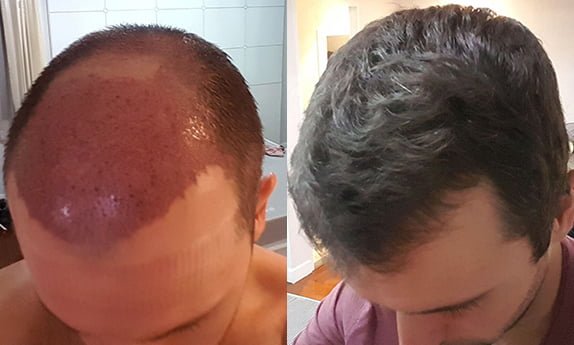
Once you have undergone FUE hair transplant, the results are permanent. While the initial transplanted hair will shed a few weeks after the treatment, it will grow back strong and healthy.

Side Effects of FUE Procedure:

They can include:

Bleeding.

Infection.

Swelling of the scalp.

Bruising around the eyes.

A crust that forms on the areas of the scalp where hair was removed or implanted.

Numbness or lack of sensation on the treated areas of the scalp.

Itching.

Inflammation or infection of the hair follicles, which is known as folliculitis.

FUE Hair Transplant Procedure, Advantages, and Cost

Is It A successful Procedure:

The success rate of FUE hair transplants in Delhi is very high, as high as 98 percent when the procedure is performed properly.

Find out how the transplant process works with tips from a successful board-certified cosmetic surgeon like the Adorable clinic.

Are there any post-treatment guidelines after the FUE procedure?

After undergoing the FUE procedure: 

Sleep in a semi-sitting position after the hair restoration surgery. This will help the swelling to reduce faster and prevent you from accidentally touching the areas where the hair follicles have been transplanted.

Avoid touching, scratching, and rubbing the area that has been treated where the hair follicles have been transplanted.

Some doctors advise you to gently shampoo your head the very next day of the treatment. Some doctors do not.

Follow your doctor’s instructions. You may also be advised to shampoo your hair twice a day after around 7 days of the treatment.

Take the medications prescribed for you by the doctor.

Avoid smoking and drinking alcohol for two weeks after the treatment.

Cover your head with hats or a bandana to avoid direct contact with UV rays and sun exposure.

Avoid any form of strenuous activity, Including strenuous exercises for at least 28 t 30 days after an FUE procedure. You can resume mild exercises after around 14 days of the procedure.

Advantages of the FUE Procedure in Delhi:

An advantage of the FUE hair transplant procedure is that it has more donor site options, as grafts can be extracted from other parts of your body as well.

FUE procedure can also be used to fill in areas of eyebrows in men and women and beard in men.

Some of the advantages of the FUE procedure include: 

It is a less invasive treatment than FUT with no visible scarring in the donor area. It is ideal for short sessions and for patients in the early stages of hair loss.

It is ideal for patients who would like to sport short hairstyles. It is ideal for patients who have no problem in shaving their heads.

It is ideal for mustache or eyebrow replacement too. For the majority of FUE patients, the minimized appearance of scarring is the most important advantage over other hair transplant procedures

Another great benefit of FUE is that the patient can wear their hair short or shaved without worrying about noticeable scarring and damage.

Some FUT patients choose to have an FUE procedure to help conceal the linear scar from a previous FUT scalp incision.

Former FUT patients may also opt for FUE If they have limited scalp elasticity following their FUT surgery.

FUE is also a great option for patients who are not otherwise good candidates for FUT, Whether because they have minimal hair at the donor site, or have a soft scalp.

In such cases, FUE can be used to excise follicle units from other another area of the body. Hair transplants from the arms, legs, chest, and back are sometimes the best and only option for certain patients, allowing more people to enjoy a denser head of hair.

Hair Regrowth in Delhi:

Adorable Clinic provides many types of product to help prevent hair loss, which helps contains an active ingredient called minoxidil, which works by stimulating hair growth. There are many options for hair regrowth.

Hair Loss Treatment in Delhi:

Hair transplant treatments and hair wigs and extension treatments are available to cure your baldness at Adorable Clinic 30/192, Vikram Vihar, Lajpat Nagar IV, New Delhi, Delhi 110024.


Direct Hair Transplant Procedure, Types, Risk, Advantages, Cost

Direct Hair Transplant Procedure, Types, Risk, Advantages, and Cost

Direct Hair Transplant Procedure, Types, Risk, Advantages, and Cost

Direct Hair Transplant Procedure, Types, Risk, Advantages, and Cost

Direct hair transplant is a surgical technique that moves individual hair follicles from the back of the scalp called the donor site to a bald or balding part of the scalp known as the recipient site. It is primarily used to treat male pattern baldness.

Hair transplantation in Delhi is a hair restoration procedure performed on men and on women who have significant hair loss, thinning hair, or bald spots where hair no longer grows.

In men, hair loss and baldness are most commonly due to genetic factors and hormone DHT.

Male pattern baldness, In which the hairline gradually recedes and scalp visibility increases exposing bald areas.

Men may also experience a gradual thinning of hair at the crown, or very top of the skull. For women.

Hair loss is more commonly due to hormonal changes and is more likely to be a thinning of hair from the entire head.

Transplants can also be performed to replace hair loss due to burns, injury, or diseases of the scalp.

The DHI hair transplant process in Delhi does not require any incision which means that it does not cause a linear scar as in the case of a FUT hair transplant.

FUE can cause small round scars in the areas from which hair is extracted, especially if the extraction points are too close together.

However, with a Direct hair transplant process, the hair extractions are well-distributed and so there is no scaring.

Direct Hair Transplant Procedure, Types, Risk, Advantages, and Cost

Consistent Results

The DHI tool controls the depth, angle and the direction of the implanted hair follicles.

We use another specialized tool, the DHI implanter, to control the depth, angle, and direction of an implant.

So your new hairs grow as your natural hairs. There are no stitches and no scars with a DHI Direct Hair Implantation, so you recover quickly.

Highest Graft Quality

A DHI Direct Hair Implantation is a very safe procedure with a low risk of complications and a very high rate of over 90% of hair survival.

Our DHI method is superior to other hair transplant methods currently available so let us show you how the DHI difference can help to restore your hair and your confidence, permanently.

Higher Costs

Direct hair transplant is the most expensive hair transplant method as a 3000-graft hair implant can cost high but this is a very effective and natural process for a fuller head.

DHI is considered to be the best hair transplant method but it is also the most expensive as a DHI hair transplant with 3000 grafts.

The of direct hair transplant costs are comparatively higher because of the technology that is employed during this process.

The DHI Procedure: What To Expect

There are more Direct hair transplant risks as compared to other hair transplant methods so FUR pre-care commences 14 days before the scheduled date of the procedure.

In the 2 weeks prior to your direct hair transplant procedure, you will need to quit smoking and drinking as these habits will decrease the effectiveness of the hair transplant surgery and increase the risk of Direct hair transplant side effects. These are the DHI steps that your hair transplant surgeon will follow:

The surgeon will trim or shave the donor site and then inject your scalp with a long-acting, local anesthesia.

General anesthesia is not required but you may be given a sedative to help you relax since the procedure is quite time-consuming.

The hair transplant will then use a scalpel to excise an elliptically shaped strip of tissue from the back of your scalp.

The width and length of this strip will be determined by the laxity of your skin at the back of your scalp as well as the number of hair follicles you require. The excised strip has a maximum length of 30 cm and a maximum width of 1.5 cm.

The wound will then be sutured using a technique called Trichophytic Closure which makes DHI hair transplant scars less visible.

The strip is carefully dissected into follicular units by the hair transplant team each unit is a grouping of 2 to 4 hair follicles. Every single graft is carefully prepared for the transplantation.

The dermatologist in Delhi will make minuscule incisions in the area to be treated and these hair follicles are then inserted into the incisions. The surgeon can transplant over 3,000 hair grafts in a single session.

A semi-permeable dressing is used to cover and protect the donor area. Normally, DHI dressing is removed after 7 to 10 days.

Your dermatologist in Delhi may suggest a tumescent mixture of saline, xylocaine, epinephrine, and triamcinolone as studies show that this method can prevent edema in up to 97.4% of cases.

Who is A Good Candidate For Direct Hair Transplant:

DHI is ideal for people with advanced hair loss especially at their hairline as they require high graft numbers.

Men who have hair loss caused by male pattern baldness for 5 years or those who are classified as a Norwood Scale Class 3 or above will benefit from a DHI hair transplant.

DHI might also be the only option for men who have not reacted positively to medical treatments for hair loss.

DHI can also help people who have lost their hair due to trauma such as burns or lacerations.

However, people who are entirely bald would not be considered ideal candidates for a DHI hair transplant surgery.

DHI is an effective hair restorative surgery but it is important to disclose your complete medical history to your surgeon.

People who are on certain blood thinners will not be able to opt for this type of hair transplant surgery as the risk of DHI side effects would be much higher for these individuals.

It is also important that you have realistic expectations from your DHI surgery.It is equally important to discuss all the possible side effects of hair transplant surgery and how you can reduce these risks.

Learn everything there is to know about balding treatments so that you can make an informed decision.

Direct Hair Transplant Procedure, Types, Risk, Advantages, and Cost

Advantages of transplant:

It is one of the hair restoration procedure that involves transplantation of your own hair taken out from the back of the scalp. It grows naturally and looks natural.

The color of the hair is the same as your original hair. Hair growth normally starts after 2 to 3 months. It completes its recovery within 8 to 10 months.

Hair transplant technique has advanced significantly. There are different techniques for performing the transplant.

One method is a follicular unit transplant (FUT) in which strip of skin is taken out from the back of the scalp, then the follicular unit is divided and replantation is done in the designated area.

A linear scar is always seen on the back of the scalp. The good Doctor will always try to minimize the scar from the Donor area.

Another advanced surgical technique is Follicular unit extraction (FUE). This is a meticulous method in which single hair is extracted and replanted in the designated area.

The results are permanent and excellent. Small tiny dots are seen on the back of the scalp in spite of linear scar which is seen in FUT.

Hair transplants are completely safe and natural. No special chemicals or medicines are used in this process that might damage your hair.

Amongst all the hair growing methods hair, transplant surgery is the most natural. The results are so good that the majority of the people won’t be able to tell that you got a hair transplant.

Another benefit of hair transplant surgery is that you get hair that is very manageable. Transplanted hair works just like your naturally grown hair so you don’t need to apply any special shampoos or chemicals to maintain its density.

If you want a long-term and permanent solution for your baldness then consider hair transplant surgery.

The biggest benefit of transplant is a person gets back his confidence. There is no hassle in handling the transplanted hair.

The person can maintain it as per his wish. He can color it oil it, wash it and can do hairstyle also.

Candidates often report life-transforming results; one’s appearance can look younger and individuals feel positive and open about new social experiences.Hair transplant candidates can resume their normal, active lives quickly.

Hair transplant in Delhi:

Hair transplant is a 100% reliable and safe treatment in Adorable Clinic. It needs utmost care, consciousness, preciseness and must be done by skilled Dermatologist.

We also provide hair weaving or wigs and hair extension treatment to get rid of thinning hair and baldness. We are here to serve you the best as we have 10 yrs of experience.

Male Stretch Marks Removal in Delhi, Best Clinic, Cost, Causes

Male Stretch Marks Removal in Delhi, Best Clinic, Cost, Causes

Male Stretch Marks Removal in Delhi, Best Clinic, Cost, Causes

Male Stretch Marks Removal in Delhi, Best Clinic, Cost and Causes

Male stretch marks, also known as striae, as something that affects women much more than men, but that is actually not true. Men can and do get stretch marks and for many of the same reasons as women.

Symptoms:

Stretch marks in male develop when the skin stretches faster than it can grow. It takes place in the middle layer of skin, called the dermis, which is responsible for retaining the overall shape of the skin.

Male Stretch marks develop when the underlying tissues grow faster than the dermis, causing the dermis to tears.

These tears leave linear striations on the upper layer of skin (epidermis) where the tissue has visibly thinned.

The tear will also cause tiny blood vessels in the skin to break, giving the stretch mark its characteristic pinkish or purplish hue later white-ish.

When they first develop, stretch marks may cause a burning or itching sensation at an initial state.

Over time, the normal pigmentation of the skin may return, although the tissues themselves may appear slightly shiny.

While stretch marks are not harmful, they are generally unpleasing and may cause emotional distress and embarrassment. Tanning tends to enhance rather than diminish their appearance.

Causes Of Male stretch marks:

While the causes of male stretch marks are not all that different than women, they are primarily associated with three physiological conditions:

Rapid growth during puberty:

Which primarily manifests with horizontal stretch marks on the upper arms, thighs, buttocks, and back

Rapid weight gain and obesity:

In which the accumulation of subcutaneous fat causes vertical stretch marks on the abdomen.

Bodybuilding:

In which the rapid growth of muscle will trigger stretch marks along the perimeter of a muscle (such as the outer edge of the chest muscle or in tandem with the striations of the shoulder muscle)

Beyond this characteristics, some men may be more predisposed to stretch marks than others.
This is especially true in men with health conditions that cause the overproduction of hormones known as corticosteroids, a cause of having marks.

Fibroblasts are especially important as they produce collagen that the body uses to keep the skin supple. If there is an overproduction of corticosteroid, less collagen is produced and the skin is less able to flex.

Corticosteroid overproduction is often associated with disorders of the adrenal glands.
Diabetes, Cushing’s disease, Marfan syndrome, Ehlers-Danos syndrome, and scleroderma are just some of the disorders associated with this effect.
Even topical corticosteroids can cause a thinning of the skin if overused.

Anabolic steroids used by some bodybuilders can also contribute in it.

Male Stretch Marks Removal in Delhi, Best Clinic, Cost, Causes

Treatment:

Stretch marks can have a profound effect on a person’s self-confidence, particularly if they are extensive or severe.

To this end, many men and women will resort to products which claim to prevent stretch marks and reduce their appearance. To date, there is little clinical evidence to support these claims.

Microdermabrasion and laser treatments:
This procedure does not involve sutures or cutting. If you’re thinking about having your stretch marks removed.
You should know that there are several laser treatments available. For an example, a fractional CO2 laser is a popular option, and by rebuilding collagen within the damaged skin, it reduces the appearance of stretch marks.
The type of laser treatment that is best for you depends on your specific needs.

may help by improving the overall appearance of the skin, especially when the stretch marks are deep.

If you have stretch marks, you may be able to prevent the further spread by losing weight. You can also reduce their appearance by using sunscreen and avoiding tanning and tanning beds, but these are not permanent.
Despite what some people may tell you, there is no diet that can reduce the risk of stretch marks or mechanical techniques.
Such as heat application or massage, that can prevent or treat the condition. Collagen supplements appear to have little if any, impact.

Advantages of Laser male stretch mark removal in Delhi:

One of the top benefits of laser male stretch mark removal is the lack of surgery. Laser therapy has the power to reduce the appearance of your stretch marks.

It does not require incisions or long periods of downtime. By stimulating collagen growth within your skin.

The procedure can diminish the appearance of stretch marks and make your skin look much better.

After you’ve undergone a series of treatment sessions, you should see noticeable results, and there should be a remarkable change in the appearance of your skin.

The recovery period for laser stretch mark removal is minimal, so you don’t have to worry about significant downtime. Once the treatment is completed, you can immediately return to your daily activities.

Laser male stretch mark removal is effective for all skin colors. Recent and shallow stretch marks will show the most improvement, but the treatment also works well for deeper stretch marks.

If you are thinking about laser stretch mark removal, make an appointment at an Adorable clinic. Our team can help you determine if this is the best method for removing your stretch marks. Contact us today to schedule a consultation.

Unwanted hair is embarrassing for anyone. Laser Hair Removal treatment is a very cost-effective, highly result oriented and safe treatment.
Hair Transplant in Delhi is a choice of many people today. A lot of people from different places in India head to Delhi Because we provide the best results at an effective cost.

WhatsApp WhatsApp us