Home Blog Page 6

Acne scar removal in Delhi, Types of Laser Treatments, Benefits

Acne scar removal in Delhi, Types of Laser Treatments, Benefits Acne scar removal in Delhi, Types of Laser Treatments, Benefits Acne scar removal in Delhi,

Acne scar removal in Delhi, Types of Laser Treatments, Benefits

Acne scar removal in Delhi, Types of Laser Treatments, Benefits

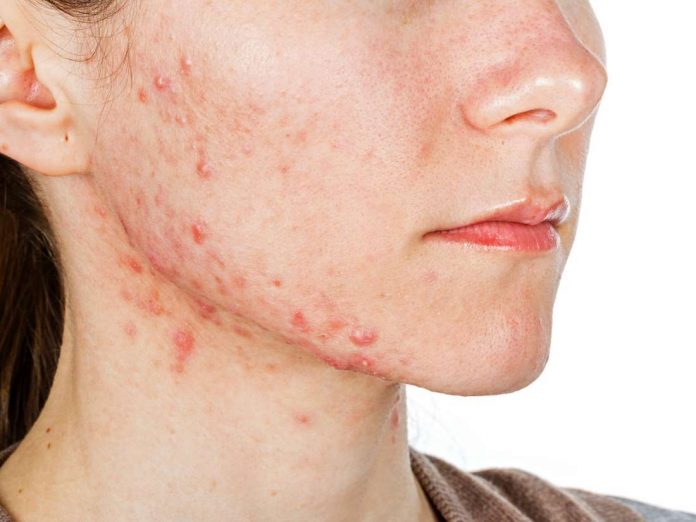
Acne scar removal in Delhi, We all get acne at some point in our lives. But sometimes, the scars that remain behind not only damage your skin but also affect your confidence and appearance.

Do not stress out because acne scars don’t stand a chance against acne scar removal in Delhi. I know there are too many concerns regarding laser treatment, and many of you are skeptical about it.

In this article, We have tried to address all your concerns about laser treatment for acne scars. Keep reading to know more.

How Does Laser Treatment Work?

Lasers are very intense and monochromatic lights that are limited within a narrow band of wavelength.

These monochromatic lights are used on your skin to stimulate the dermal fibroblasts; cells in your skin that can form connective tissues and facilitate wound healing.

These fibroblasts replace the collagen and elastin that were lost due to scarring. Usually, ablative and nonablative lasers are used for acne scar treatment in Delhi.

Types Of Laser Treatment For Acne Scar Removal in Delhi:

Lasers that are used for acne scar removal mainly fall into two categories, that are:
Acne scar removal in Delhi, Types of Laser Treatments, Benefits Acne scar removal in Delhi, Types of Laser Treatments, Benefits Acne scar removal in Delhi,

Non-Ablative Lasers:

Non-ablative lasers have a minimal recovery time, but the results are less impressive as compared to ablative lasers.

These lasers do not remove any tissue from your skin but boost collagen development and make your skin tight and bright. The most common non-ablative lasers used for acne scar treatment are the diode and NdYAG lasers.

Advantages:

The devices used in laser treatments pinpoint the area of treatment, leaving the rest of your skin untouched and undamaged.

Since laser treatment does not use any chemicals or man-made additives, you do not develop allergic outbreaks, reactions or side effects.

It is very effective. You can see a dramatic change in your skin texture and get permanent results depending on the choice of the treatment.

It is better than undergoing surgeries and other skin procedures. It does not have any downtime, which means you don’t need to stay at the hospital, and there is no blood loss involved.

You will get rid of your old skin and regenerate new and beautiful skin, which will be much smoother and tighter.

Important facts to keep in mind:

Always Go For A Consultation:

This is because the dermatologist who will be performing the treatment must consider your skin type, your health, history of your health issues and the condition of your scar.

They also need to know about your medical history or whether you take any supplements and medications or not.

Limit Your Sun Exposure:

This is applicable to both circumstances before and after the treatment. It is not possible for the dermatologist to perform laser treatment.

If you have got a tan as it might cause serious discoloration. And after laser treatment, you need to limit your sun exposure to prevent further scarring and tanning.

Lifestyle Changes

For best results, you may need to make a few changes to your lifestyle, includes:

Quit smoking before the treatment. You may have to discontinue a few medications and supplements, otherwise, they might delay the healing process.

Stop using skin care products containing glycolic acid and retinoids at least 2 to 4 weeks before the treatment.

Avoid tanning and sun exposure.

The Treatment May Involve Multiple Treatments:

Sometimes, for best results, the dermatologist in Delhi may combine two or more treatments for scar reduction.

For instance, the dermatologists may use a laser for scar treatment and also suggest using fillers. Also, you may require more than one session for the best results.

Results May Take Time:

It can be weeks or months before you see any actual results on your skin. It depends on your skin and the degree of scars you have, as every case is unique.

You need to consult your dermatologist beforehand to determine whether you are eligible for laser acne removal treatment or not.

Undoubtedly, these are the fastest ways to deal with acne scarring. If you are worried about your acne scars, you can try any of these methods and make an appointment with us.

Melasma treatment in Delhi:

You can also consult us for the melasma treatment, if we talk about Melasma Treatment then usually laser treatment and Chemical Peeling are best for the skin disorder.
 

Skin Whitening Treatment, Procedure, Benefits, and Cost

Skin Whitening Treatment, Procedure, Benefits, and Cost

Skin Whitening Treatment, Procedure, Benefits, and Cost

Skin Whitening Treatment, Procedure, Benefits, and Cost

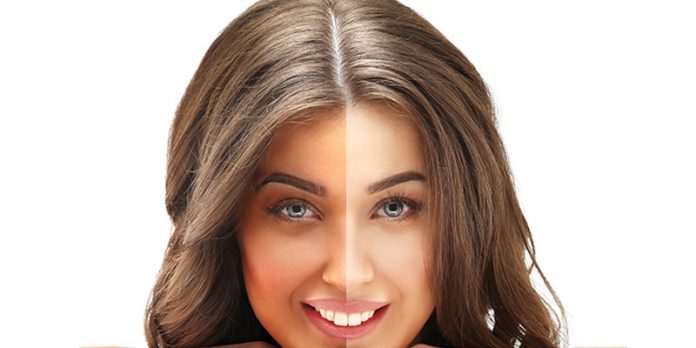
Skin whitening treatment can help in reducing dark spots, melasma, sun damages, freckles, scars, fine lines and other kinds of marks.

Most importantly, it can result in a lighter and evenly toned skin. From laser treatments to bleaching, there are different ways to lighten your skin, we are discussing best options here.

Read this informative article to learn more about skin fairness treatment, its estimated cost, types, and many more.

Whitening Treatments Options in Delhi:

A skin Whitening treatment in Delhi reduces the amount of melanin in the skin, which results in a fairer skin tone.

To achieve this, different kinds of treatments can be done. According to your needs, you can go with a full body skin whitening procedure or just a face whitening treatment.

While the laser is used for full body whitening treatment, chemical peel, bleaching, or cryosurgery is mostly recommended as a facial skin whitening alternative. Some of the most common skin brightening treatments are given below–

Chemical Peeling:

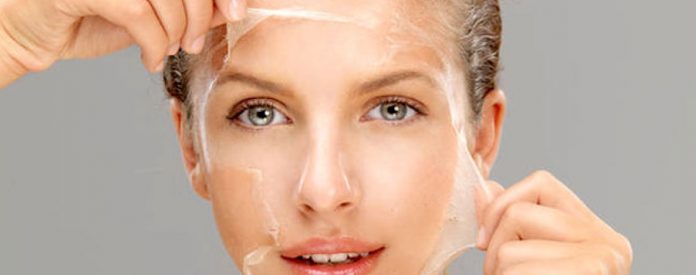
Expert considers skin peeling as the best skin whitening method. In this, a peeling solution is applied to the skin.

On the basis of the concentration of the solution and the duration it is applied for, skin peeling can be of different types like light, medium, or deep.

In this face whitening process, the upper layer of the skin is exfoliated, allowing the sensitive skin to grow back in a lighter tone.

The process can drastically reduce tan, blemishes, dark spots removal, removal of dark patches and other kinds of spots.

Skin Whitening Products: 

It is the most commonly accessible and affordable skin fairness treatment that one can get. You can find a wide range of chemical and whitening products in the Adorable clinic.

Most of the products have materials like azelaic acid, retinol, hydroquinone, glycolic acid, etc. Some of these ingredients are evidently known for their bleaching properties.

Although these products might lighten your skin tone immediately, their effects won’t be lasting. Furthermore, some bleaching products might damage your skin if not used properly.

Treatments To Whiten Your Skin

There are also dedicated anti-pigmentation treatments that one can try for lighten the skin.

Arbutin

These days Arbutin is mostly recommended for a body skin whitening and anti-pigmentation or pigmentation solution. It is the extract of Bearberry (a plant found in Asia).

Experts have found it extremely beneficial to reduce freckles, stretch marks, wrinkles, and aging spots. Since it is a natural treatment, it rarely has any side effect.

Detan Facials

If your skin has been overly tanned and does not have an even tone, then you can also try a detan skin whitening facial. It is also known as radiance facial as it results in glowing skin.

In this, the skin is treated with various chemicals and copper-containing enzymes that inhibit melanin.

Laser Treatment

In laser treatment, the uneven toned skin is exposed to a concentrated beam of light. Due to its high energy, the dark skin cells are destroyed in different layers which make the skin brighter.

As a result, fairer and more sensitive skin cells are grown. The regenerated skin is flawlessly toned and brighter. This treatment is also known as laser peel or lasabrasion.

Skin Whitening Surgery

Even though this is the most aggressive skin whitening treatment, it is highly recommended for its lasting effects.

There are different kinds of skin brightening surgeries that one can get, depending on the desired results and the quality of the skin.

However, surgery is considered ideal for skin whitening for black skin and those who want an immediate result.

Skin Whitening Treatment, Procedure, Benefits, and Cost

Skin Whitening Treatment Cost In India

As you can see, there are different kinds of skin Whitening treatments out there. Therefore, the overall cost of a skin whitening treatment depends on numerous factors –

What kind of treatment do you wish to take?

Do you wish to get a full body skin whitening treatment?

Which part of your body do you wish to whiten?

What are the desired results you are expecting?

What is the quality and tone of your skin?

A lot of people consider a skin Whitening treatment for a specific body part like underarms, face, neck, hands, etc. The cost for these treatments is lesser than a full body skin whitening process because of the treated size is less.

A reputed skin clinic in India, Adorable clinic. To get an exact quote, you can visit a nearby skin clinic or dermatologist.

Is Skin Whitening Treatment Permanent?

The effects of a skin whitening treatment depend on the kind of process you have opted for. While the results of bleaching agents and chemical peeling are not permanent, laser treatments usually last for years and are considered permanent.

In a nutshell, the deeper the treatment is, the more lasting its effects would be. Therefore, skin whitening for dark skin is achieved through laser treatment as it is often considered permanent.

Skin Whitening Treatment Procedure:

If you are confused about the best skin whitening method and do not know how to start, then you can follow these stepwise suggestions.

Firstly, take an appointment with the best dermatologist in Delhi. Let them know the desired skin tone you have in mind and any past medical records that might affect your chosen course of action. An expert will let you know about different treatments to lighten your skin.

Choose A Preferred Option

After getting to know about various approaches to skin whitening procedures and laser treatments, you can do your bit of research. Ask the designated expert any questions you have and pick the best skin whitening treatment in order to proceed.

Come Up With A Recovery Plan:

Every skin whitening treatment has a different duration of recovery. Therefore, you might consider informing your friends, colleagues, and family about the same.

While a minor procedure might have a small or no recovery period, a laser or deep peel would demand a handful of days to recover.

Prepare For The Treatment:

Make all the needed preparations for the treatment and take care of your skin. You might have to apply some lotions before the skin whitening treatment.

Additionally, your doctor can ask you to reduce smoking or the consumption of certain substances for the time being during the process.

Post-Treatment Maintenance:

A body skin whitening process will only yield the desired results if you take care of your skin during the recovery time.

Apply the prescribed lotions regularly and keep your body hydrated. Inform your doctor if you observe any drastic or sudden change in your skin and follow all the instructions carefully.

Take Care Of Your Skin:

Most importantly, if you want the skin brightening to last permanently, then you need to take care of your skin that is essential.

For instance, apply sunscreen whenever you go out in the day to avoid any sun damage. Also, choose products that treat your skin the right way. Skin specialist in Delhi can help you with some suggested products.


Hair Loss Treatment Question and Answer, FAQ

Hair Loss Treatment Question and Answer, FAQ

Hair Loss Treatment Question and Answer, FAQ

Hair Loss Treatment Question and Answer, FAQ

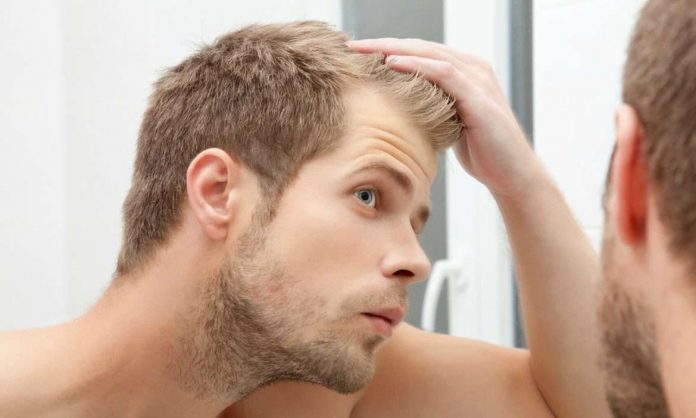
Hair Loss Treatment Question and Answer, Hair loss can affect just your scalp or your entire body. It can be the result of heredity, hormonal changes, medical conditions or medications. Anyone can experience hair loss, but it is more common in men.

Why do people experience hair loss?

Balding, also known as androgenetic alopecia in a medical term, is a hereditary condition that develops in men and women.

Pattern baldness is seen most commonly in men and it occurs because of an inherited genetic predisposition that causes hair to fall out with the age.

At least 50% of men will lose hair during their lifetime and it is sad.  Female pattern baldness also occurs because of genetic inheritance.

It is more common than most people realize with one out of four women being affected at some point in their lifetime like in pregnancy time.

What Causes Hair Loss?

The most common cause of hair loss for both the men and women is heredity. Either or both parents can pass on the gene that causes hair loss.

Normally, men are more susceptible to hereditary loss of hair because of testosterone. When broken down to dihydrotestosterone, it acts as a catalyst to activate the hair loss gene.

Both men and women are susceptible to this condition, which has been labeled as androgenetic alopecia. This means hereditary loss of hair with androgens.

Other reasons for hair loss may be underlying medical or hormonal problems, medications, excessive weight loss, chemotherapy, due to medical issues or radiation.

Also, traumatic injuries, scarring scalp conditions, or burns to the scalp can cause permanent hair loss that can be pathetic for anyone.

Is male pattern hair loss or baldness different from female pattern hair loss?

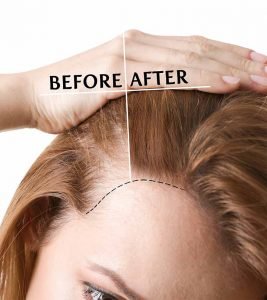
Yes, the patterns are generally very different from each other but do have their similarities. In female pattern baldness, hair is most commonly lost on the top of the scalp while sparing a rim of hair along the front border.

In women, only 12% will show any temporal thinning, whereas in men this is seen in over 80% as one of the first signs of loss. Like men, the crown in women may thin but the loss is highly variable.

Hair Loss Treatment Question and Answer, FAQ

Are there any non-surgical hair replacement options?

There are two drugs approved by the FDA for the treatment of male pattern baldness that is Rogaine and Propecia.

Rogaine can be purchased over the counter at most local pharmacies.  Propecia requires a written prescription from a Doctor.

It is our experience that these drugs are more effective for maintaining existing hair than they are for regrowing previously hair loss.

Although the drugs are marketed as treatments for hair loss, they usually provide little more than limited density restoration.

Does hair transplant surgery result in permanent growing hair?

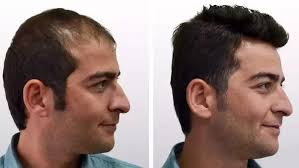
Yes.  Hair transplant is one of the best therapy for baldness. Hair removed from the safe donor area regions in the back and on the sides of the scalp is genetically programmed to continue growing over the course of a life without being affected by pattern baldness.

The transplanted hair will continue to grow for lifelong as the donor’s hair remains vigorous and viable.

Will hair transplant surgery restore my original hair density?

It is not possible to restore hair to its original density for most of the patients because of limitations relating to what can be borrowed from the donor region.

Patients with excellent donor reserves may be able to achieve very high dense hair using a dense-pack surgical technique.

However, density and coverage possibilities vary from person to person and your restoration opportunities can only be determined with a face-to-face expert consultation, as we said every case is unique.

How much pain is involved in a hair transplant procedure?

Firstly, hair restoration applies a gentle, local anesthetic before the surgery. This means that patients will feel no discomfort during the procedure.

Patients may experience minor discomfort or tightness during the healing phase following the surgery.

Most patients remain comfortable during this time with little more than an over-the-counter analgesic like ibuprofen.

Is it really possible to create a natural looking hairline?

Creating a completely natural hairline is the most important aspect of the surgery in hair loss treatment in Delhi. We meticulously plan each hair transplant to provide the most natural hairline possible.

Patients who qualify for hair replacement surgery can achieve remarkably natural results, and they feel so confident.

Are there any risks associated with hair transplant surgery?

There are risks associated with every type of surgery which includes like infection, bleeding, and scarring.

However, complications are extremely rare when the procedure is performed by a competent and experienced surgeon.

There is a bit chance that a patient may not achieve the fullness that he or she expected, which is why patients need to set realistic goals during their hair replacement consultation.

We offer best and moderate Hair Transplant in Delhi and hair fall treatment in Delhi. We ensure high quality and safe care to every patient. As we have the best deals with the best team.

Hair regrowth in Delhi:

Adorable Clinic provides many types of product to help prevent hair loss or baldness, which helps contains an active ingredient called minoxidil (always read the label), which works by stimulating hair growth and give you fuller head.


Laser Resurfacing Treatment Question and Answer

Anti Aging

Laser Resurfacing Treatment Question and Answer

Laser Resurfacing Treatment Question and Answer

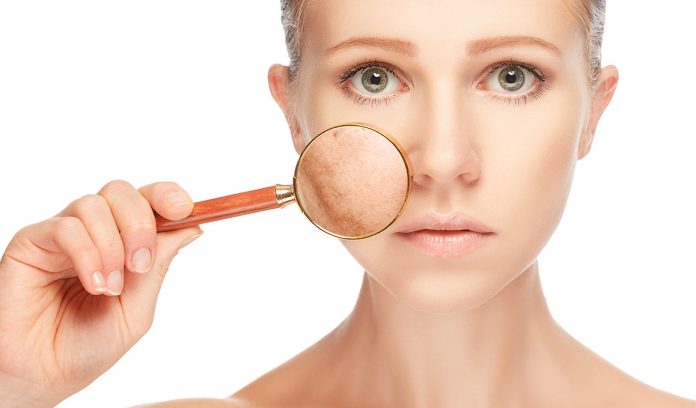
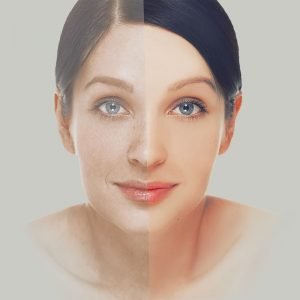
Laser Resurfacing Treatment Question and Answer, Aging, acne, or too much sun can result in brown spots, scars and fine lines or wrinkles on your face.

Laser skin resurfacing is a safe procedure that can help your skin look younger and healthier and beautiful.

Laser skin resurfacing treatment is a well-known cosmetic procedure which helps to rejuvenate and reverse severe facial disorders.

It helps to reduce imperfections of your appearance on your skin’s surface. This therapy aims to achieve a more uniformed skin appearance.

It is done using a laser which dissolves the molecular bonds of the damaged cells of each layer. This rejuvenates your skin and peels away the damaged layers of your skin.

Laser Resurfacing Treatment Question and Answer

What is laser skin resurfacing?

Laser resurfacing also known as a laser peel is a method of precisely peeling damaged skin utilizing a laser light beam to give a youthful skin.

It can improve facial imperfections such as fine lines around the eyes or mouth, acne scars, blotchy brown spots, melasma, scars or sun damaged skin.

The laser resurfacing treatment involves an intense light beam, which is further divided into two parts i.e. ablative and non-ablative lasers.

Ablative lasers are invasive and remove the top layer of your skin known as the epidermis. This will cause your skin to appear red as it tries and repairs itself.

The non-ablative lasers are less invasive and use heat to stimulate the cells which leads the underlying collagen to thicken. This results in the improvement of the tone and elasticity of your skin and eliminates the imperfections.

How does the laser resurfacing treatment work?

The laser light beam, which is 1/10th the diameter of a hair follicle treats a fraction of the skin at a time, penetrating to the deeper levels of the skin to stimulate the production of the younger smoother and beautiful skin.

What is the difference between ablative and non-ablative lasers?

Ablative laser treatment uses a carbon dioxide (CO2) laser to vaporize microscopic columns of tissue deep in the skin and helps to give beautiful skin.

It is a more aggressive procedure used to treat more severe skin damage. The newest ablative lasers use a fractionated light beam that preserves columns of normal skin which aids in healing.

Non -ablative laser treatment uses a different type of light beam, erbium laser which penetrates deep in the skin to stimulate new collagen production to the skin. The surface skin is intact resulting in faster healing than ablative laser treatment.

Who Is An Ideal Candidate For Laser Skin Resurfacing Treatment?

This treatment is most effective for patients who have lines, wrinkles, uneven skin tones pigmentation, acne scarring etc.

The ideal candidate considered for this treatment should not be taking any medications or should not have any existing health issues.

Patients with minor skin imperfections are not considered ideal for the treatment. Since this treatment, like any surgery, would require a minimum recovery period and hence it is advisable for those who have minor scarring or other disparities with their appearance.

How long does a treatment take?

Treatment of the full face with any of the resurfacing lasers takes about 45 minutes which is quite quick.

Typically patients arrive an hour early for application of a topical numbing cream prior to the procedure. The total time in the office is about 2 hours.

How many treatments are needed and how long will benefits last?

The non-ablative Fraxel laser typically requires 4 treatments or sessions for sun damage and brown spots and 5 treatments for acne scars, depending on severity.

Ablative laser usually is one-time treatment.

Duration of benefits depends on the condition being treated. Acne scar treatment results in very long-term benefit.

Treatment of brown spots or sun damage may last up to 5 to 7 years if the patient is careful with sun exposure.

How long will it take to heal?

Healing takes one week for ablative laser resurfacing ( CO2). After one week, patients can wear makeup and go back to their normal life.

Fraxel laser heals in 2 days with only minimal redness or peeling on day 3. Treatments are done 3 to 6 weeks apart, depending on your skin type.

Is the procedure painful?

Most of the patients tolerate the procedure very well after a one-hour application of topical anesthetic cream plus oral or injectable Ibuprofen- like medication.

It feels a little warm and prickly towards the end of the procedure. Patients who are anxious may benefit from a short-acting anti-anxiety medication right before the treatment.

What Are The Side Effects To Laser Skin Resurfacing Treatment?

Just like any other surgical or cosmetic treatment, this laser treatment for acne scars can also have side effects. Some of the side effects of laser treatments for acne scars removal are:

Itching, swelling, and redness :

After the treatment, your skin will be itchy and swollen but it is normal. The degree of the redness will depend upon the depth of the resurfacing done.

This can be intense and could last up to several months. If there were any previously existing skin conditions.

Change in skin color :

The ablative resurfacing therapy can sometimes cause the treated area to appear darker or lighter.

The signs of hyperpigmentation usually occur weeks after the treatment has been done. The use of topical retinoic acid or glycolic acid can help to treat the discoloration after the treated skin.

Most patients do not have any complications. In patients with darker skin types, temporary bronzing of the skin or brown spots may occur.

The pigmentation usually resolves in 4 weeks or less with the use of a prescription skin lightener.

What is the best aftercare following laser resurfacing?

Dermatologist in Delhi owned their favorite sensitive skin products for use immediately after the procedure.

Once the skin is healed, daily sunscreen is important to wear for patients with concerns about brown spots, a prescription skin brightener cream with hydroquinone and Vitamin A or C will prevent recurrence.

How do I find a practitioner who is experienced in this procedure?

The procedure is usually performed by dermatologists and plastic surgeons. I recommend having it done in a doctor’s office rather than for the best treatment make a call for the consultation.

Ask your primary care physician as well as friends who have had cosmetic procedures who they recommend.

You may benefit from several consultations to select which doctor’s approach is right for you.

Anti-Aging Treatment in Delhi:

Adorable clinic experts in helping you rejuvenate and to maintain a youthful and healthy appearance with our range of non-invasive treatments.

Skin specialist in Delhi:

Adorable Clinic is an advanced skin care facility with qualified dermatologists, cosmetic trichologists, Skin & Hair Therapists, and equipped advanced equipment that brings the best out of aesthetic medicine.


Acne Removal Question And Answer, FAQ

Acne Removal Question And Answer

Acne Removal Question And Answer, FAQ

Acne Removal Question And Answer, FAQ

Acne Removal Question And Answer, Almost everyone has had at least mild acne at some point. Acne is the most common of all skin disorders, affecting some 40-50 million Americans.

A generation or so ago, it was thought that eating too many sweet or greasy foods caused acne but now doctors know much more about why breakouts happen and how to treat them.

Numerous special events have been ruined by the sudden outbreak of pimples, and many a teenage girl has cried long into the night over the thought that the scars on her face are permanent and will not be treated, but thanks to new updates in acne treatment in Delhi, scars related to acne may be a thing of the past.

Adults who may have long ago given up on the dream of smooth and beautiful skin have new hope; read below for a list of frequently asked questions regarding acne scar treatmentand care.

Acne Removal Question And Answer, faq:

What are Acne Scars?

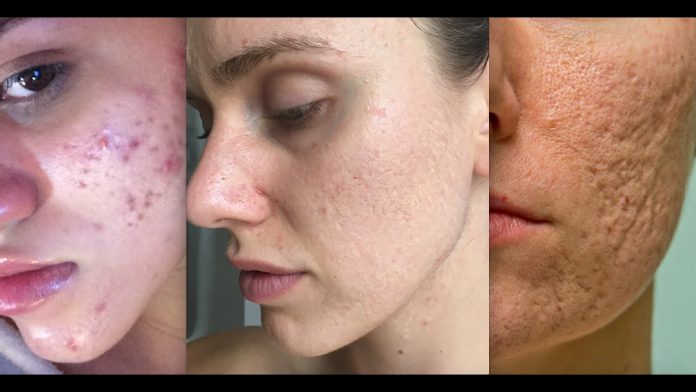
Acne scars are the dark and sometimes swollen pits left in the skin long after a pimple has healed and are divided into four categories according to appearance and it’s cause.

Ice pick (small pits), boxcar (scars that have sharp edges), rolling (caused by damage underneath the epidermis) and hypertrophic (raised and bumpy because of excess scar tissue under the skin).

What causes acne?

The exact cause of acne is unknown, but doctors believe it results from several related factors.

One important factor is an increase in hormones called androgens i.e. male sex hormones. Hormone increase in both boys and girls during puberty, and cause the sebaceous glands to enlarge and make more sebum.

Does everyone get acne?

Acne affects all skin colors and skin types. It can be a frustrating issue as you never know if, where, or when it will present itself.

People with skin of color are faced with additional challenges such as post-inflammatory dark spots and scarring, thus preventative care is essential.

Acne Removal Question And Answer

What can I expect during my acne consultation?

During your complimentary consultation, you will be evaluated and the optimum treatment regimen will be outlined for you.

An acne specialist will provide you with a comprehensive overview of causes that may contribute to your acne condition, and how genetics, stress, diet and use of over-the-counter and products can aggravate your acne prone skin.

How Do People Get Acne Scars?

Surprisingly, all acne scars are not caused by picking at the outbreak. The skin on your face is extremely sensitive and if you suffer from extreme bouts of intense inflammation, such as what often occurs when you have cystic acne, hypertrophic acne scars will be the result.

Are Acne Scars Permanent?

To the relief of teens and adults all over the world, recent developments in the laser world mean severe scarring from acne is no longer permanent and it can be curable.

How can I prepare myself for a consultation?

It is a good idea to prepare for your first visit by making notes about your acne. You will be asked about your background, history, things like how long you’ve had acne.

How you have treated it and what was your experience with previous treatments. If you provide us with detailed information about what you have used in the past.

We can tell if the medication was too strong, if it was used improperly, or if you just did not respond to it.

There are many factors that can aggravate acne-prone skin, and the more information we have from you about allergies, things that have triggered flare ups in the past.

Your diet, lifestyle, and supplements you are taking the more likely we will be able to help you.

Make sure you prepare any questions you might have. Being informed will make your treatment much easier to deal with.

What factors have a tendency to aggravate those prone to acne?

Acne is very diverse and can have many aggravating factors. A thorough client questionnaire by our Acne Specialist is vital.

There will be those of you who have tried everything if you are not clearing up chances are that one or more of the factors listed below could be delaying your progress.

Stress:

Stress, physical, emotional or job-related stress.

Seasons:

Hormone levels fluctuate as the seasons change, which alters the amount of oil produced .

Climate:

Humidity induces excretion.

Pressure:

Pressure or Friction – caused by caps, headbands or anything in direct contact with the skin for any length of time.

Picking:

Picking not only aggravates but can worsen an acne condition and induce scarring.

Diet:

Foods high in iodine should be eliminated. A well-balanced diet is recommended.

Pregnancy:

Hormonal fluctuations affect skin conditions.

Birth Control Pills:

Consult your physician to have your proper dosage prescribed.

Cosmetics:

The use of the wrong skin care products may have a devastating effect on your acne-prone skin condition.

Lifestyle:

Inadequate sleep (less than 8 hours per night) or drug and alcohol use.

What Acne Scar Treatment Options are Available?

There are multiple treatments over the counter creams that succeed in getting rid of acne scars by bleaching the discolored parts, but they don’t take out the pits or take out the scars altogether.

Laser acne scar removal uses lasers to clear the skin by smoothing the surface while increasing the production of collagen.

Injections involve injecting fillers into the indented areas, while chemical peels take out layers of skin, leaving behind fresh, new beautiful looking skin.

And finally, fat grafting is done by removing excess fat from your trouble spots and injecting the fat into the indented area.

How Much Does It Cost to Eradicate Acne Scifulrs?

Depending on the type of treatment you use, the costs range anywhere.

Dark Patches Treatment in Delhi:

At Adorable Clinic you will get all the treatments in reasonable rates and with great effectiveness.

Dark Spot Removal in Delhi:

Adorable clinic is an efficient treatment provider of Dark Spot Removal in Delhi.


Tattoo Removal Question And Answer

Tattoo Removal Question And Answer

Tattoo Removal Question And Answer

Tattoo Removal Question And Answer

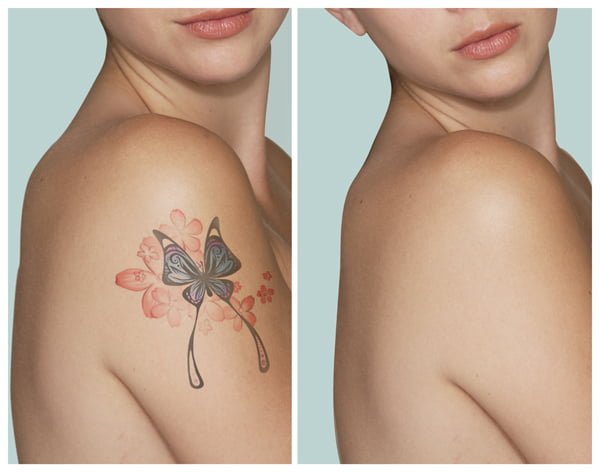
Tattoo removal question and answer, the tattoo has been performed with various tools since the start of tattooing. While tattoos were once considered permanent, it is now possible to remove them with laser treatments, fully or partially.

Tattoo Removal Question And Answer, FAQ:

How does laser tattoo removal work:

Honestly, this is one of the commonly asked questions Most patients are concerned about the results not how the laser achieves them.

Many patients have the misconception that the laser burns the tattoo ink out of the skin. By discussing how tattoo removal works, You can help patients appreciate the role that the laser has in eliminating their unwanted tattoo on the body.

How long will it take to remove my tattoo?

The duration of the tattoo removal process is a concern for virtually for all patients.

Some patients may wish to remove a visible tattoo before an event such as their wedding ceremony or enlisting in the military.

It is important to establish upfront that tattoo removal is a process that relies on the body’s ability to eliminate ink from the skin.

To allow the skin enough time to heal between treatments and the body’s immune system to flush away ink, we recommend a minimum of six weeks between the laser sessions and eight weeks for darker complexions.

For ideal results, we recommend waiting three months between the treatments.

Tattoo Removal Question And Answer

Does tattoo removal hurt?

Laser tattoo removal typically does involve some level of pain. That said, many say that it hurts less than they expected, it hurts but not that much.

It is a common belief that tattoo removal is excruciating, yet most patients say that the sensation of removal is comparable to having a tattoo applied.

Common descriptions include the sensation of a rubber band snapping against the skin or bacon grease basically, it is uncomfortable but bearable.

It hurts, but it’s bearable?

When discussing pain with patients, it is so important to share with them that there is some level of discomfort.

Many people say that they can manage it. It may take some tough love to encourage patients concerned about sensitivity.

The vast majority of tattoo removal in Delhi providers offer some form of soothing to the skin during the treatment.

Why Do I Need Multiple Treatments?

All tattoos have layers of ink, stacked on top of each other within the skin. The thick concentration of pigment particles cannot be completely broken down in one treatment.

At an Adorable Clinic, we will go over your entire tattoo with our lasers, breaking up as much ink as possible in every session.

Each session will produce some level of fading, although for very new tattoos the fading may not be as noticeable because the ink is still so thick and dense.

If your tattoo has shading, the shaded areas will vanish in fewer sessions because shaded tattoos have a lower ink density.

How Many Sessions Will I Need To Remove My Tattoo?

The number of sessions for removing the tattoo depends on three factors: the age of the tattoo, the color of the ink, and the density of the ink.

Age:

Older tattoos can be removed with fewer sessions than newer tattoos. A black ink tattoo that is 10 years old may take one or two treatments fewer than a 1-year-old black tattoo. A 20-year-old tattoo may take two to three treatments fewer than a 1-year-old tattoo.

Color:

Certain colors are more easily removed than others like black and red tattoos are the easiest to remove.

Orange, yellow, pink, purple, brown, and other shades are slightly more difficult to eliminate.

The most difficult colors to remove are light green, light blue, and teal/turquoise colors. During the Free Consultation.

We will discuss the number of treatments you will likely need to remove certain colors.

Location:

Because tattoo removal depends on the body to flush away the shattered ink particles, areas of the body with less circulation often take more time to show the best results.

The toes, fingers, ears, and nose are areas that may show slower results.

Ink Density:

Some tattoos with certain designs use shading for clouds or another visual effect. Shading will be removed in only a few sessions in most cases.

Will it leave a scar?

Many patients are concerned about scarring from laser tattoo removal they understandably want their skin to look as natural as possible after they have completed the tattoo removal process.

Are there side effects?

Side effects are to be an expected part of the tattoo removal process for most patients. In fact, some side effects are an important part of the immune response.

The most common side effects are:

  • Redness
  • Tenderness
  • Swelling
  • Blistering
  • Scabs
  • Bruising
  • Hyperpigmentation
  • Hypopigmentation

If all of the proper protocols are used based on the tattoo and the patient’s skin tone, all of these side effects are temporary and normal.

Tattoo Removal Question And Answer

Redness, tenderness, and swelling typically subside within a day or two following treatment. Blisters usually appear within 24 hours of treatment.

Hyperpigmentation and hypopigmentation occur when the body’s production of melanin is skewed after a laser therapy.

With hyperpigmentation, the body overproduces melanin in reaction to the laser treatment, So skin in the treated area is darker than the natural skin tone.

Hypopigmentation, the melanin is depleted by the laser treatment and the skin appears bleached.

Both hypopigmentation and hyperpigmentation are typically temporary and resolve naturally with time.

Patients with middle to darker skin tones are at the greatest risk for pigmentation changes and should avoid sun exposure and must use high SPF sunscreen.

For patients with pigmentation issues, do not treat at the regular treatment intervals wait until the area has returned to it is normal skin tone before treating again.

The main effect for permanent pigmentation changes is if the practitioner continues to treat an affected area too aggressively.

Patients are generally more concerned about permanent side effects than temporary ones; the side effects that could be permanent are scarring or pigmentation changes.

All permanent side effects are completely avoidable if the proper protocols and aftercare are used.

Laser Tattoo Removal In Delhi:

Adorable Clinic provides you with the best services and team for the removal of the permanent tattoo Removal. If you have a permanent tattoo.

Hair Loss Treatment in Delhi:

Hair Loss Treatments can be used together as part of a comprehensive hair regrowth strategy, that help you to get rid of hair loss.

Best Dermatologist in Delhi:

Dermatologist in Delhi is the best answer to your all skin disorders. Skin is an important part of our body which reflects on your appearance and personalit.


Chemical Peel Treatment Question and Answer

Chemical Peel Treatment Question and Answer

Chemical Peel Treatment Question and Answer

Chemical Peel Treatment Question and Answer

Chemical peel treatment question and answer, here we will give you all the possible answers to your questions, here we cover most asked question of Chemical peel treatment in Delhi, Let’s clear your doubts.

Chemical Peel Treatment Question and Answer, FAQ:

What are chemical peels?

Ageless Remedies medical estheticians apply glycolic, salicylic or alpha hydroxy acids
(AHA), trichloroacetic acid (TCA), or other solutions to your skin disorders. Each solution has a specific role in treating your condition. Those treatments are:

  • Reduce fine lines and wrinkles.
  • Reduce hyperpigmentation: age spots and brown patches are known as Melasma.
  • Treat acne and scar.
  • Improve the look and feel of skin that is dull in color or has a rough texture.
  • Reduce the appearance of scars and stretch marks too.

What do chemical peels do?

Chemical peeling agents resurface the skin by inducing a controlled wound and thus removing superficial layers of the skin, to make the skin smooth and beautiful.

As a result, chemical peels promote the growth of a new healthy top skin layer and improve skin problems like hyperpigmentation, fine lines, dark spots and wrinkles, uneven texture and skin impurities.

How will I know which peel to consider?

All skin types will respond to peels. The results depend upon the type of peel and the condition being treated.  A free consultation in Delhi is necessary to establish the goals and options before the treatment.

Will I actually do peel?

In order to improve your appearance, peels remove the upper layer of skin to
expose the new undamaged and beautiful skin.

The amount of peeling depends upon the patient’s skin condition, the amount of solution used, the peel’s incubation period and the type of peel performed. Some patients experience great results without seeing noticeable “peeling”.

How Should I Prepare for My Peel?

Peels expose new skin to the environment.  So prior to the peeling treatment, you should stop using certain photosensitivity drugs like anti-virals or antibiotics and topical skin care products such as Retin-A or acids. Check with our medical estheticians to determine the contraindicators.

Chemical Peel Treatment Question and Answer

What should I expect?

Ageless Remedies performs several different types of chemical peels.  In the procedure, the skin is thoroughly cleansed with an agent that removes excess oils and the eyes and hair are protected.

One or more solutions are applied to the area that has been treated. During the procedure, most patients experience a warm sensation that lasts about five to ten minutes, followed by a stinging sensation.

Cool compresses may be applied to help eliminate this stinging. You should always inform your technician as to the level of warmth you are experiencing.  A neutralizing solution will be applied to stop the reaction of the peel.

Peels usually take from 30 to 45 minutes. They can be used for treatment every 3 to 4 weeks. Chemical peels generally cause the skin to exfoliate. Some patients peel and others do not.

If you peel, it would begin 36 to 48 hours following the treatment and continue for a couple days up to a week, depending upon the depth of treatment and the amount of skin to be sloughed.

The chemical peel results in exposing smooth, unblemished skin for a clean softer look.

Can skin rejuvenation through chemical peels be performed on areas of the body?

Yes why not, Areas that have acne breakouts, scarring, hyperpigmentation, and other skin concerns can be treated with a peel.

These areas include the arms, hands, back, shoulders, neck, chest and of course, the face too.

Does having a chemical peel hurt?

No, not that much. The patient may feel warmth or a light stinging after the peel is applied. This occurs when the peel has been activated and will subside when it is neutralized 10 – 15 minutes.

Is there downtime with a peel?

The skin may feel like it has had a mild sunburn from 2 to 48 hours after the therapy.  There is no downtime other than your personal concern about the amount of peeling you want to show the outside world.

If you peel, it normally will start 36 to 48 hours after the treatment and may continue for an additional 2 to 10 days.

How long is the recovery after a chemical peel and what type of care is necessary?

Recovery times will vary based on the type and strength of the chemical peel. Immediately after the peel, your skin will feel tight and maybe red.

Any visible peeling will be light and fluffy and easily controlled with moisturizer. Peeling usually lasts for 3 to 5 days, depending on the actual peel treatment.

Use of gentle cleanser, moisturizer and sunscreen are so much important, as it will enhance the healing process and results.

Normal activity may be resumed after the peel, however, strenuous exercise and heavy sweating should be avoided for 2 to 3 days.

Sun exposure should be avoided while skin is peeling; exposure of treated skin to a lot of heat should also be avoided as it may induce swelling, redness and for deeper peels blisters scarring, under the skin.

Peeling skin should be allowed to slough off naturally; picking or peeling of flaking skin is prohibited, as it may lead to scarring. Use of prescription topicals should be avoided for 3 to 5 days post peel.

Why did I not have any visible peeling after my peel?

The success of the peel should not be judged by the amount of chemical peeling, but by the end results that the peel will produce.

The amount of peeling may vary depending on individual skin condition at the time of the peel or the depth of the peel.

What are the counterindications to chemical peels?

Chemical peels should be avoided if any of the following conditions are present:

Active cold sores, herpes simplex or warts, tags in the area to be treated.

Wounded, sunburned or excessively sensitive skin.

Accutane use within the last year.

History of recent chemotherapy or radiation therapy.

Allergies to aspirin.

Women who are pregnant or actively breastfeeding.

Patients with Vitiligo and dermatitis.

Patients with a history of autoimmune disease such as rheumatoid arthritis, psoriasis, lupus, multiple sclerosis etc or any condition that may weaken their immune system


Chemical Peel Treatment Question and Answer

What can I expect after the 1st 24 hours after the peel?

Your skin will feel tighter and be more red than normal. Your skin may feel tacky and have a yellowish orange tinge that subsides in a few hours.

This is due to the Retinoic acid applied to the skin. This is a self-neutralizing peel and patients should wait for at least 4hours before washing there face that evening.

When will my skin start to peel and for how long?

Peeling will generally start 48 to 72 hours after your treatment and can last 2 to 5 days. It is very important not to pick off peeling skin.

Chemical peeling is minimal and easily controlled with moisturizer. Premature peeling of the skin will result in dry, cracked, raw skin that may develop into hyperpigmentation.

May I exercise after the peel?

Exercise that produces a lot of heavy sweating should be avoided the day of the chemical peel. You may resume all regular activities the next day.

How do I care for my skin after the peel?

Use of a soap-free gentle cleanser shall be used to wash your face, scrubs and washcloths should be avoided while skin is peeling, you have take care of your skin.

Application of a hydrating moisturizer twice a day or as often as necessary is recommended to relieve dryness and control peeling.

A physical Sunblock must be worn daily. It is best to avoid prolonged sun exposure for 1-week post peel.

Vi PEEL:

The VI peel combines the strongest and most effective acids suitable for all skin types and tones.

It is a blended peel formulated with Trichloroacetic acid (TCA), Salicylic acid, Retinoic acid, Phenol, and Vitamin C. This is a great peel for treating hyperpigmentation, aging skin, and acne.

How many Vi peels will I need?

A single peel will add a healthy glow, improving skin tone, texture, and clarity of the skin. It reduces or eliminates hyperpigmentation, sunspots and softens fine lines and wrinkles.

The number of treatments varies by individual needs and cases and conditions and will be determined by our medical aesthetician.

For extremely damaged skin, the VI peel can be done once a month for the quickest results. For most patients, 2-3 VI peels a year is all you need to maintain your results.

What will I look like right after the VI peel and how much will I peel?

Your skin will look slightly tan or bronzed immediately after the peel treatment due to the retinoic acid. This fad within the hour.

Over the next few days, your skin will feel tighter, any pigmented areas may appear slightly darker at first.

Skin peeling usually begins by day 3, it is a light fluffy peeling and is easily controlled with moisturizer.

In some cases, the peel is virtually invisible. Patients on Retin-A may experience heavier peeling. By day 6 to 7 you will be done peeling and your skin will look amazing.

Are there any restrictions of activities after the VI peel?

We recommend avoiding heavy sweating for the first few days after the peel treatment. Normal activities may be resumed immediately after the peel.

Its advisable to keep sun exposure to a minimum when the skin is peeling. SPF is a required daily, uses sunscreen.

SKIN SPECIALIST IN DELHI:

Skin specialist in Delhi is the answer to your all skin disorders. Skin is an important part of your body which reflects on your appearance and personality. To remove all your skin disorder make a call at the Adorable clinic

BEST DERMATOLOGIST IN DELHI:

Best Dermatologist in Delhi is the best to have A healthy, beautiful and glowing skin is the secret behind one’s confidence and beauty.


Hair Transplant Treatment Questions and Answers

Hair Transplant Treatment Questions and Answers

Hair Transplant Treatment Questions and Answers

Hair Transplant Treatment Questions and Answers

Hair Transplant Treatment Questions and Answers, here we are discussing most asked questions about hair transplant treatment. Here you will get all your answers through the post.

HAIR TRANSPLANT TREATMENT QUESTIONS AND ANSWERS

What is Hair Transplant Therapy?

Hair transplantation is really about relocating or transplanting the bald resistant hair follicles from the back of the head to the balding areas on the top of the head.

This procedure works for a lifetime because the hair follicles taken from the back of the head are genetically resistant to baldness, regardless of where they are relocated to.

Does the Hair Transplant work?

Of course, hair transplants in Delhi work very well. The hair transplant principle is very simple. The genetic makeup of hair on the sides and back of the head is resistant to genetic pattern baldness.

This makes it possible for the hair that you have on the sides and back of the head to be relocated to the area where it is falling. This new relocated natural hair will stay and continue growing and eliminate your embarrassment.

Hair Transplant Treatment Questions and Answers

How long does a hair transplant procedure take:

A typical session of between 1,500-3,000 grafts normally involves a full day of surgery on an outpatient basis.

Most patients will arrive in the morning and will have their procedure completed by late afternoon, Yes, it takes time.

Can anyone undergo a hair transplant?

Hair transplant is commonly used to treat cases of hereditary or genetics baldness but not alopecia areata or cases of trichotillomania.
The fact that a person keeps hair on the sides and back of the head does not mean it is right to do a hair transplant.
Extensive communication with the patient is required to be aware of what can and cannot be achieved with a hair transplant.
The doctor must understand what are the expectations of the patient. Often the hair transplant is a compromise between the doctor and the patient after a long dialogue.

How many grafts will you need?

The amount of grafts you will need ultimately depends on your degree of hair loss and baldness area, now and in the future, and on how full you desire your hair to be.

Will, It looks natural?

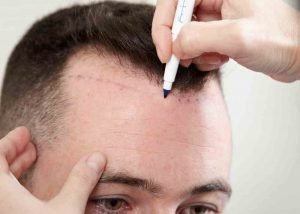
The art of a hair transplant is not just the technical skill of the dermatologist, but also the doctor’s natural talent to be able to properly design the frontal hairline for each patient according to their features.

A dermatologist in Delhi with this ability can create a head of hair with a natural look. This is the difference between a regular hair transplant and a natural, undetectable, superb hair transplant.

How long does it take for the hair transplant procedure?

Usually, a procedure of 2500 to 3500 grafts units can be done in one day. If you need a procedure with more follicular unit grafts it can be performed on two consecutive days.

Is it painful?

There are only minor side effects or risk. The procedure is performed under local anesthesia and the patient is conscious throughout the process, So the process does not hurt.

There is little need for further medication for pain and requires little more than a half painkiller for the first night to make the patient comfortable.

What is a Mega-Session?

This is a common term that refers to hair transplant sessions where there are more than 3000 hair implants extracted and implanted.

The method involves placing a large number of implants in a single session or in a day for maximum density and coverage of the balding areas without the need of performing several separate processes.

What is an implant with high density?

It is the art of placing follicular units close enough to each other to ensure a natural and good density in a single treatment.

This, in particular, refers to the hairline design without large gaps between each hair. Low density, hair grafting would require a second or third procedure after to improve the natural density.

The amount of follicular units placed per square centimeter depends on certain factors like hair characteristics, the quality of the hair bulb, ethnicity, hair color, hair density, and balding area to be treated.

The high-density implant is a great skill to place follicular units close to each other without compromising their growth, placement angle and the diameter of the means employed influence the outcome.

Can I undergo more than a hair transplant sessions?

The potential number of implants that can be extracted from a person is around 8000 grafts or about 16,000 hairs. It is not possible to transplant all in one session.

Several sessions, usually of 2500 grafts to 3500 grafts are performed to distribute the extraction in the recipient area in a strategic manner so as to achieve the best results for the patient in the mid and long term.

Will I need more than one hair transplant?

In most cases, the person receives more than one treatment, although it may take many years between each other.

The need for additional treatments will be determined by the quality of the hair transplant performed.

When the procedure is of higher quality the longer it will last and the longer the time period necessary in between hair transplants.

When will I see the results?

After the hairs are transplanted or the treatment is completed it takes a week for the skin to settle as well as the surrounding cardiovascular system.

Hairs will begin to grow during the first month and then drop out without leaving visible signs of hair transplant.

It is normal for 100% of transplanted hairs to fall during the first-month post procedure. The transplanted follicles go into rest for about 3 or 4 months until growth resumes. Then the hairs start growing naturally.

Hairs grow at a rate of 10% of the number of transplanted hairs per month from the third or fourth-month after post procedure.

At 12 months the hair growth reaches 90% growth, while the remaining 10% will do so in the next six months.

It may take up to a year and a half to obtain a mature hair growth at which point you can appreciate the final results, the final result is natural and best.

Hair Transplant Treatment Questions and Answers

Is there a right age to begin the treatment? Am I too young for a hair transplant?

No. The FUE hair transplant method is applicable to any person of both genders and all ages. It is said that for a young person there are other methods that may work.

But the reality is that beyond the age of the patient each case has different features and everyone has the unique feature, thus each diagnosis also varies. Remember also that hair transplants are not necessary in all cases.

Hair transplantation is not about age but it is about confidence, vision and less excitingly supply and demand. If the supply of grafts from your donor region is sufficient to meet the demand created by your current expectation and future hair loss then you are a candidate irrespective of age.

How long is the healing?

The FUE hair transplant therapy is characterized by a much faster healing relative to the strip extraction method. Healing with the strip technique is slower due to the large incision.

How painful is the post-surgery?

With the FUE extraction treatment often patients do not experience pain. The area heals very quickly and the risk of infection is very low.

The strip technique usually is painful and recovery takes at least one month. Infection risk is very high.

Is there more than one donor area?

Yes, the FUE extraction method is notable for having a larger donor area, the neck, and sides of the head too.

There is also the possibility of extracting body hair from the chest and legs also. The strip extraction technique is more limited as it only uses the back of the head as donor area. It cannot access other areas.

Are the results permanent?

Since the hair follicles that are transplanted to the balding areas are genetically resistant to going bald, they will continue to grow for a lifetime just as if they had been left in the bald resistant donor area.

Will my hair transplant results look completely natural?

Hair transplantation, when done properly and right, can be so natural that even your hair stylist will not even know that you’ve had it done.

The skill and techniques of hair transplant surgeons do vary widely, as do their results. It’s important to choose the right procedure and the right clinic to assure that you will get completely best and natural results.

Do you do eyelash hair transplant?

Yes. An eyelash hair transplant is a very delicate procedure that requires extreme hand skills and the best technique. Each case is evaluated by our clinic.

Do I need to shave my head for the procedure?

There are two components to a procedure; the extraction of grafts with the FUE technique and the implantation of grafts.

The non-shave Executive Session is more time intensive due to the added intricacy of extraction and implantation.

We can expect the same outcome from, however, the Executive Non-Shaved procedures tend to be smaller in the number of grafts due to the limited area from where to extract grafts.

A shaved session is less time and labor-intensive, can yield more grafts and is thus relatively cheaper as a result. Each method of hair transplantation has different benefits.

HAIR LOSS TREATMENT IN DELHI:

Hair loss treatment in Delhi is the best clinic to solve all your problems related to hair like balding, thinning hair, huge hair loss, hair fall. Adorable Clinic provides many types of product to help prevent hair loss,

HAIR WEAVING IN DELHI:

Hair weaving treatment is also one of the best treatment to get rid of baldness and thinning hair, it is cheap and best for all the candidate. To inhale the services make a call and schedule your consultation at an Adorable clinic.


Laser Hair Removal Questions and Answers

Acne Scar Laser Treatment and Types

Laser Hair Removal Questions and Answers

Laser Hair Removal Questions and Answers

Laser Hair Removal Questions and Answers, Never shaving or waxing again seems like an impossible dream, does not it?
Who would not want to retire the razor for good and still have silky soft legs for forever and a hair-free underarm with no work?
So, if you are tired of daily shaving and waxing, want a permanent and best solution for the hair free and soft skin, Laser hair removal in Delhi is the best option to go.
There are lots of question about the therapy here we are discussing some frequent questions and answer to make all your doubts clear.

Laser Hair Removal Questions and Answers:

What is laser hair removal?

Laser Hair Removal is suitable for both men and women, and more people are discovering the benefits of laser hair removal every year and day.

More than 70% of males and 85% of females now use laser hair removal therapy with a success rate of 85-99% permanent hair reduction after just 6 to 10 treatments.

The Alexandrite and ND: YAG technology exposes your hair follicles to pulses of laser light destroying their ability to regrow, and significantly removing your unwanted hair.

Am I suitable for the treatment?

Absolutely, the majority of people are suitable for Laser Hair Removal Treatments in Delhi. Laser light is attracted to dark hair follicles and therefore the darker the hair follicle, the more likely it is to permanently remove your unwanted hair.

The only candidates who are not eligible, those with blonde, red or white hair whereby Laser Hair Removal Treatments will not work at all.

What do I need to do to prepare?

If you have been bleaching your hair, you will need to allow the normal color to regrow before proceeding with the laser therapy.

Otherwise, there is no preparation required, other than shaving the area the night before and avoid using deodorants and other skin products on the area on the day of your treatment.

Is it Permanent?

Laser hair removal is permanent hair reduction, not permanent hair removal. According to Best Dermatologist in Delhi, it’s not uncommon for patients to require maintenance treatments once a year, even after the area has been fully treated.

The reason: The laser targets and destroys your current hair follicles, but new follicles can develop thanks to hormonal changes or shifts in weight.

How many sessions will I need?

Laser hair removal will only work on hair actively growing. So we recommend that it will take 4 to 6 treatments to effectively treat an area with our laser.
We will get about 80% of the actively growing hairs. You would return every 4-6 weeks depending on the area to treat the new active growth.
Laser Hair Removal Questions and Answers


What Are the Risks?

The biggest risk with lasers is eye damage. Both you and the person operating the laser should be wearing goggles specific to the type of laser that is being used.

Other risks include blistering, scarring, and burns that can discolor your skin but It’s normal for there to be some redness and swelling.

But if you’re getting burned or blistered, then the technician is using the wrong type of laser for your skin type.

How long should I wait between sessions?

Your hair will regrow after scheduled Laser Hair Removal In Delhi sessions. We recommend scheduling your appointments 4 to 6 weeks apart.

After each session, your hair will regrow thinner and softer and with less area coverage than before.

Does It Hurt?

The procedure hurts but not a lot. It stings, It is universally described as a rubber band snapping against your skin.

But it only stings for a millisecond, the time it takes for the laser to target your hair follicle and zap it away, of course, this means that it will sting for each hair follicle zapped.

While your skin may be a little red and puffy after the procedure, you shouldn’t feel any pain in the area by the time you leave the office.

Do I Need to Go to a Doctor Or Is It OK to Hit Up a Spa?

While you don’t necessarily need to go to a doctor’s office for this therapy, you do need a doctor present.

Expert suggests looking for a med-spa or a laser hair removal center that is run by a doctor in one of the four core aesthetic specialties: dermatology, plastic surgery, ENT (or otolaryngology), or ophthalmology.

Laser hair removal is all about choosing the right laser for your skin type, the doctor should also be the one to examine you and determine which laser is best.

Some medications, such as antibiotics, can make your skin sensitive to the laser. A doctor will know what drugs you can’t take while getting laser hair removal done, and they need to talk to you and examine you in person.

Will It Work on My Skin Type and Hair Color?

Laser hair removal works on almost every skin type, from very light-skinned people all the way up to Type V or even VI (which is dark skin).

Light-skinned people will usually receive treatment from an Alexandrite or Diode laser, while darker-skinned people will receive treatment from an Nd: YAG laser.

When will I see the results of the treatment?

The results of Laser Hair Removal is instantaneous. From your very first session, you will leave with silky and smooth skin.

After a few weeks, you will notice the hair regrowing, however, this will be fewer, finer and weaker than before the treatment, and you will notice further improvement with every session.

Scientific studies show that the use of targeted, light-based energy permanently destroys hair follicles at the cellular level.

Each subsequent Laser Hair Removal treatment will result in a significant reduction in regrowth in the treatment area.

What do I have to do after treatment?

  • Avoid extended UV exposure for 7 days post-treatment.
  • If blisters occur, do not puncture it. If the skin is broken, apply an antibiotic ointment until healed.
  • Over the counter medication is recommended for post-treatment discomfort. You may also apply Restorative Gel, cool towels, ice packs or aloe vera to alleviate discomfort due to heat.
  • Avoid using seat warmers immediately after treatment.
  • Avoid any additional laser treatments or chemical procedures on the treated area for at least 2 
weeks post-treatment or until healing has occurred.
  • Using a broad spectrum UVA/UVB SPF 30 or higher is critical when receiving laser treatments and 
is recommended ongoing for maintenance.
  • If you experience any side effects, such as hypo- or hyper-pigmentation, prolonged redness or 
swelling, a histamine reaction, or blistering, call or come in for instructions on treatment.
  • To achieve the best results, complete the full treatment schedule at the intervals recommended 
by your Doctor.
  • Exfoliate treated areas to minimize the risk of ingrown hairs.
Skin Specialist In Delhi:

Adorable Clinic is an advanced skin care facility with qualified dermatologists, surgeons, cosmetic trichologists, Skin & Hair Therapists, Here you got the best treatment for all skin disorder.

Tattoo Removal in Delhi

Laser tattoo removal in Delhi at Adorable Clinic provides you the best services for removal of the permanent tattoo Removal. If you have a permanent tattoo and want to remove it make a call for a consultation.


Body Slimming Toe Ring, Procedure, Advantages, Cost

Body Slimming Toe Ring, Procedure, Advantages, Cost

Body Slimming Toe Ring, Procedure, Advantages, Cost

Body Slimming Toe Ring, Procedure, Advantages, Cost

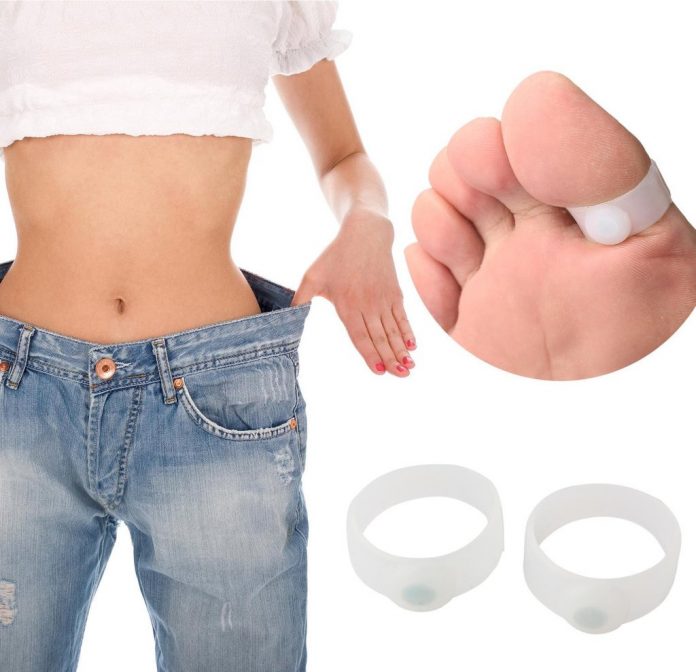
Body Slimming Toe Ring is a silicone ring used to help reduce hunger and aid in total weight loss. It applies pressure to one’s toes, and is used much like an acupuncture technique, helps to reduce weight.

These rings are meant to be nearly invisible and easy to wear. There is also non-allergenic silicone material used to prevent chafing or rashes.

It’s said to be an effective way to help promote weight loss without having to start a diet or use any supplements.

Our experts have analyzed many different weight loss diets and have found the shake Diet is the most effective and best.

It’s a combination of a meal replacement shake that suppresses appetite via its high fiber and protein, and a diet pill for calorie burning and metabolism boosting.

Both are stimulant free and have no artificial flavors or colors. To discover more information about the shake Diet click the link provided.

Body Slimming Toe Ring, Procedure, Advantages, Cost

Body Slimming Toe Ring Ingredients and Side Effects:

There is nothing one has to eat and the rings are made up of a non-allergenic silicone type material.

In reviewing customer reviews it was revealed that there was an issue with it being uncomfortable, and it is unclear if one has to worry about sizing.

There is no accompanying information provided by the manufacturers to explain anything beyond the intended advantages.

It is unknown if one can wear it all day, or what the optimal time of use is. There’s also a lack of information on what one can expect in terms of weight loss.

The intention of this ring is to help provide pressure in order to provide acupuncture benefits.

Acupuncture, however, is an alternative form of medicine which has not been proven to be effective.

This effect can make it seem as if the process done is effective, but it is only caused due to an expectation and not anything from the technique itself.

One major issue with the Body Slimming Toe Ring is that it relies on pressure which is intended to help alleviate hunger somehow.

It is never explained what the exact mechanism is behind this effect. There is no scientific evidence to support even hands-on acupuncture would be effective for weight loss, and slight pressure through a ring has also not ever been proven effective.

Without much more information it seems unlikely that this would have any weight loss benefits. The comprehensive list found here has the highest rated diet plans.

Body Slimming Toe Ring Quality and Results:

With no evidence to support its use and only slight pressure being offered, it’s unclear as to what the overall quality is, but this treatment is effective for weight loss.

The silicone used is meant to not promote any rashes or allergic reactions. While this is good, there is no expectation of the Body Slimming Toe Ring being able to help promote weight loss.

There are far too many unanswered questions which make it impossible to predict what one could expect from these rings.

Body Slimming Toe Ring, Procedure, Advantages, Cost

Conclusion – Does Body Slimming Toe Ring Work?

Body Slimming Toe Ring is used to provide acupuncture support to one’s toes in order to suppress appetite and promote weight loss.

This procedure is quite effective and also help to reduce the weight.

Clinical reviews into acupuncture have shown it’s ineffective and that any results are likely placebo.

Users of the Body Slimming Toe Ring also often say that they noticed benefits from this. Though it’s cheap in price, users say it takes time and also effective.

Information is offered to show how long it should be worn, how much weight loss is expected, or any other important questions.

It is made up of 2 all natural weight loss products, a meal replacement that can suppress appetite for hours, and a fat burning diet pill that is free of stimulants.

Oily Skin/Scalp Treatment In Delhi:

Adorable Clinic Treatment to specifically balance oily hair and scalp Astringent essential oils assist in absorbing excess irritating or aggravating the scalp, simultaneously delivering body and shine to hair.

Derma Roller Treatment In Delhi:

Get the best and rejuvenated skin care and a scar-free face by using a Derma Roller at the Adorable clinic.


WhatsApp WhatsApp us